The Vitreoretinal Surgery Department is specialized in the diagnosis and management of complex retinal and vitreous disorders, including diabetic retinopathy, retinal detachment, macular diseases, and other posterior segment pathologies. The department is equipped with advanced diagnostic and surgical technologies that enable precise evaluation and effective treatment of sight-threatening conditions.
It is committed to providing state-of-the-art vi
To be a leading center of excellence in vitreoretinal care, providing advanced diagnostic, medical, and surgical services for retinal and vitreous diseases. The department aims to achieve outstanding visual outcomes through innovation in microsurgical techniques, adoption of cutting-edge technologies, and continuous advancement in retinal research and education. It is committed to preserving and restoring vision, reducing blindness from retinal diseases, and maintaining international standards of patient care and clinical excellence.
The mission of the Vitreoretinal Surgery Department is to deliver comprehensive, high-quality care for patients with retinal and vitreous diseases through accurate diagnosis, advanced medical and surgical management, and evidence-based practice. The department is committed to utilizing modern vitreoretinal surgical techniques and laser technologies to preserve and restore vision in patients with complex posterior segment disorders.
It also aims to promote continuous medical education, clinic
The Vitreoretinal Surgery Department utilizes advanced diagnostic, medical, and microsurgical techniques to manage complex retinal and vitreous disorders with high precision and optimal visual outcomes. Key techniques include:
- Pars plana vitrectomy (PPV) for the management of retinal and vitreous
- Retinal detachment surgery, including scleral buckling and vitrectomy-based repair
- Intravitreal injections for anti-VEGF, steroids, and other pharmacological
- Argon laser photocoagulation for diabetic retinopathy and retinal vascular
- Endolaser photocoagulation during vitreoretinal surgical
- Management of macular holes and epiretinal membranes using microsurgical
- Fluid–gas and fluid–air exchange procedures in vitreoretinal
- Use of advanced vitreoretinal imaging techniques such as OCT for pre- and postoperative
- Intraocular tamponade techniques using gas or silicone
- Management of proliferative diabetic retinopathy and vitreous
- Minimally invasive vitreoretinal surgery using small-gauge
- Combined surgical approaches for complex anterior and posterior segment
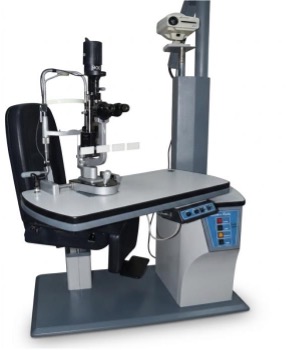

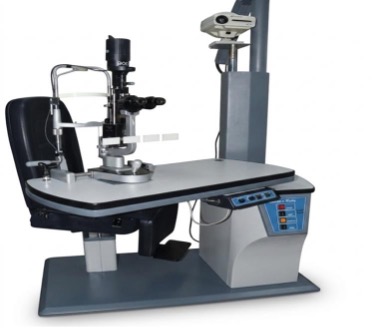
The Vitreoretinal Surgery Department provides comprehensive support for clinical, translational, and surgical research in retinal and vitreous diseases. It offers access to advanced surgical cases, diagnostic data, and modern technologies to facilitate high-quality scientific studies.
- Access to a wide range of vitreoretinal surgical and medical case databases for approved
- Support for prospective and retrospective clinical studies in retinal
- Assistance in designing clinical research protocols and surgical outcome
- Facilitation of patient recruitment for clinical trials and research
- Access to advanced imaging modalities, including OCT and fundus imaging, for research
- Collaboration with multidisciplinary teams in ophthalmology and related
- Biostatistical analysis support for clinical and surgical research
- Participation in international and national collaborative research projects in vitreoretinal
- Opportunities for publication in peer-reviewed journals and presentation at scientific
- Training in research methodology, surgical documentation, and evidence-based vitreoretinal practice.
- Quality assurance support and audit programs for surgical outcomes and clinical
The Vitreoretinal Surgery Department provides comprehensive care for patients with retinal and vitreous disorders using advanced diagnostic, medical, and surgical approaches to preserve and restore vision.
- Comprehensive evaluation and diagnosis of retinal and vitreous
- Management of diabetic retinopathy and diabetic macular
- Treatment of retinal detachment using modern surgical
- Management of vitreous hemorrhage and other vitreous
- Treatment of age-related macular degeneration and macular
- Intravitreal injections (anti-VEGF, steroids, and other approved medications).
- Argon laser treatment for retinal vascular and diabetic eye
- Pars plana vitrectomy and other advanced vitreoretinal
- Management of macular holes and epiretinal
- Use of intraocular gas or silicone oil when required for retinal
- Preoperative assessment and postoperative follow-up care for surgical
- Emergency services for acute vision-threatening retinal
- Patient education and counseling regarding disease, treatment options, and
- Multidisciplinary care in collaboration with other ophthalmic and medical
The Vitreoretinal Surgery Department offers advanced training programs designed to develop high-level expertise in the diagnosis, medical management, and surgical treatment of retinal and vitreous diseases. The training is directed toward ophthalmology residents, fellows, and practicing surgeons seeking specialization in vitreoretinal surgery.
- Principles of retinal and vitreous anatomy, physiology, and
- Clinical evaluation and diagnosis of posterior segment
- Interpretation of retinal imaging, including OCT and fundus
- Medical management of diabetic retinopathy and retinal vascular
- Indications, techniques, and follow-up of intravitreal
- Laser therapy training, including Argon laser
- Hands-on training in pars plana vitrectomy (PPV)
- Management of retinal detachment, macular holes, and epiretinal
- Use of intraocular tamponade agents such as gas and silicone
- Preoperative planning and postoperative care in vitreoretinal
- Management of surgical complications and complex retinal
- Participation in surgical observation, simulation training, and supervised operating room
- Multidisciplinary case discussions and journal clubs in retinal
- Research methodology, surgical audit, and evidence-based vitreoretinal