The microbiology unit is one of the vital units in the Research Institute of ophthalmology. It consists of 4 subunits:
- Microbiology laboratory,
- Allergy and Immunology Laboratory,
- Corneal laboratory
- Infection prevention and control.
- Microbiology Unit plays an important role in the patient care by providing accurate and rapid identification of various microorganisms with a proper selection of the effective antimicrobial therapy to the isolated bacteria or fungi a for all patients attending the institute in the outpatient clinics in addition to inpatients thus improving the treatment outcomes with low affordable costs.
The Allergy Lab provides Immunotherapy for patients suffering from Allergic Conjunctivitis as eye drops for the first time in Egypt and as subcutaneous injections for Allergic Bronchitis and Allergic Rhinitis patients as well as dermatitis and food allergies to spread imoprtanac of allergy awareness, ways for protection, prevention and treatment
Development and implementation of a comprehensive and dynamic infection prevention and control program for safety of patients, health care workers and external community. Core Value is do no harm We value ethics and professional integrity The patient is our priority We look for continuous improvement opportunities We believe that every member of our team is important.
- To be a leader in quality Point-of-Care-Testing clinical laboratory diagnostics
- To be recognized as national and international excellence to be recognized as preeminence unit with medical education, research, and service emphases.
- To achieve a highly qualified medical staff capable of dealing with infectious diseases of different microbiological infections (bacteria or fungi) to overcome the emerging infectious diseases challenges including the uprising antimicrobial resistance worldwide crisis, also allergy and immunological diseases, to improve the people`s quality of life.
- Health care system without infections and improved safety for patients and all who interface with our institute through partnership activities, supported by a robust infection prevention and control program.
- To provide an updated, high quality laboratory services that meet our patients’ expectations and satisfaction with efficient utilization of available resources thus achieving proper detection of different microbial agents, accurate diagnosis, proper antimicrobial therapy and prevent the spread of infection.
- To participate with the regional and international authorities in limiting healthcare associated infections and potential infectious threats.
- Epidemiological – Deep knowledge of an infective microbe present in a patient is helpful in investigating its source and mode of transmission.
- To provide an outstanding scientific environment for scientists and researchers interested in all aspects involving the roles of microbes, allergy, immunology and Infection policies and Procedures. We take great pride in the supervision of the next generation researchers, on scientific thesis including internal or external candidates of MSc. and M.D students, in addition postdoctoral research paperwork.
- Gram and fluorescent staining
- Ocular specimens (Conjuctival swab, corneal scraping and vitreal fluid, etc) examination and culture and sensitivity
- Urine microscopic examination and culture and sensitivity
- Sputum Microscopic examination and culture and sensitivity
- Throat / nasal swab culture and sensitivity
- Pus / discharge culture and sensitivity
- Yeast culture and sensitivity
- Anaerobic and Microaerophilic cultures.
- Various Allergy types diagnosis and immunotherapy treatment
- Molecular PCR
- ELISA
Current research work focuses on:
- Detection of multi-drug resistant (MDR) bacteria and fungi
- Effect of novel therapeutic agents against MDR pathogens
- Antimicrobial activity on plants
- Evaluation and Treatment of Fungal infections
- Recent detection and diagnosis for virulence microorganism’s infections
- Novel ocular infection therapy
- Allergy Biomarkers and Immunotherapy
- Immunology interventions and evaluation
- Molecular techniques in ocular diagnosis and treatment
- Infection prevention and control applied policies and procedures.
- Sight threatening infections and treatment.
- Microbiology Laboratory:
- The Microbiology Lab monitors and analyze microbial cultures and samples using a range of identification methods and clinical trials. Recent techniques for early management of most preventable causes of blindness in Egypt.
- Facilities, running techniques that support unit goals provides a comprehensive range of testing, including:
Services for Culture and sensitivity or bacterial and fungal infections
- All sample types are accepted including (Conjuctival swabs, vitreal fluids, corneal scrapping and others body samples)
- Preparation of different culturing media for culturing different types of microorganisms through a well monitored sterilization system and well-trained personnel.
- Identification of the pathogen by morphology, direct smear, microscopic examination, biochemical tests, serology and molecular detection.
- Culturing facilities for diagnosis of bacterial and fungal microorganisms.
- Antibiogram and sensitivity test for bacterial microorganism and fungal isolates by using different categories of antimicrobial and antifungal agents
- Corneal Lab
According to Nottingham corneal lab policies and procedures, UK
- Corneal scrapping samples taken cautiously under aseptic condition
- Aerobic and anaerobic facilities for diagnosis of bacterial microorganisms
- Culture facilities for detection and diagnosis of fungal isolates
- Antibiogram and sensitivity test for bacterial and fungal microorganism by using different antimicrobial and antifungal agents
- Allergy and Immunology Laboratory
- Allergy Lab.:
1- Preparation of natural allergenic extracts to which the patients are actually exposed to perform Skin Prick Test (SPT) identifying the causative allergens for each patient and preparing his Specific Immunotherapy.
2- Identification of allergens causing Food Allergy.
3- Identification of the offending allergens causing Allergic Dermatitis (Urticaria).
4- The Allergy Lab also keeps assessment of the treatment by measuring new Biomarkers related to all Allergic diseases by ELISA technique.
5- Genetic involvement in allergic diseases is performed by PCR.
- Immunology Lab.:
The Immunology Laboratory is responsible for laboratory testing and clinical consultation in several broad areas including the evaluation of autoimmune disease, immunodeficiencies, immunoproliferative disorders using ELISA technique facilities for immunological diagnosis as well as scientific researches.
4) Infection Prevention and Control
- Developing and implementing infection control policies and procedures
- Assessing the needs as regards human and physical structure.
- Raising awareness of all healthcare providers regarding IPC
- Educating and training staff members including doctors and nurses
- Assuring the ongoing IPC training activities.
- Assuring the continuous improvement through different audit activities (Supervision, Evaluation, Feedback, Implementation and Follow up).
- Surveillance whether prospective, active, unit based for occurrence of healthcare associated infections (HAIs).
- Reporting communicable diseases to the Ministry of health
- Environmental practices including waste management
- Microbial analysis to surgical site infection including bacterial or fungal isolation and its antibiogram test.
- Microbiology facilities carryout environmental swapping tests to health care workers (nose, throat, or undernails) to identify source of infection and causative organism in any outbreak.
- Employees health and occupational safety including; vaccination program for Health Care Workers including routine immunization for all healthcare workers (e.g., COVID -19, hepatitis B, influenza, MMR, meningococcal, rabies and tetanus and diphtheria vaccine), immunization recommended for healthcare workers in special circumstances, e.g., Varicella zoster as well as work restriction policy for health Care Workers Exposed or Infected with Infectious Diseases.
- Antimicrobial stewardship promotes the appropriate use of antimicrobials, and decreases the spread of infections caused by multidrug-resistant organisms.
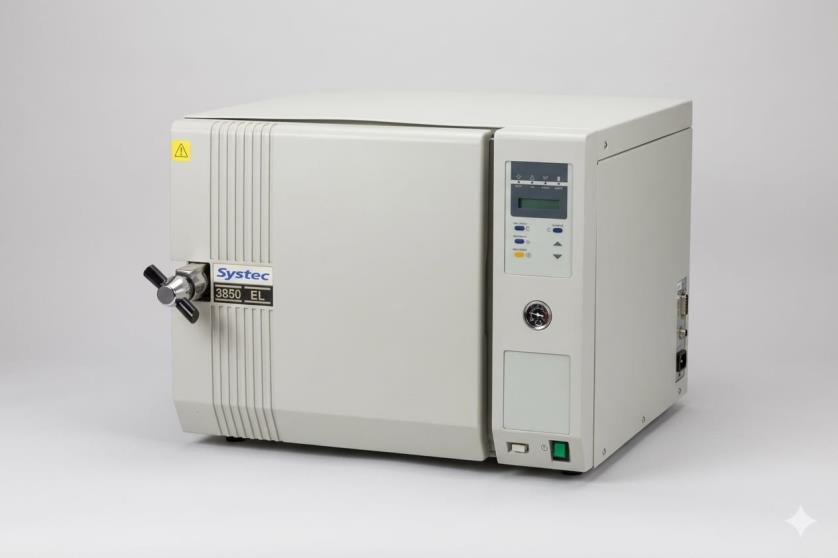
Autoclave
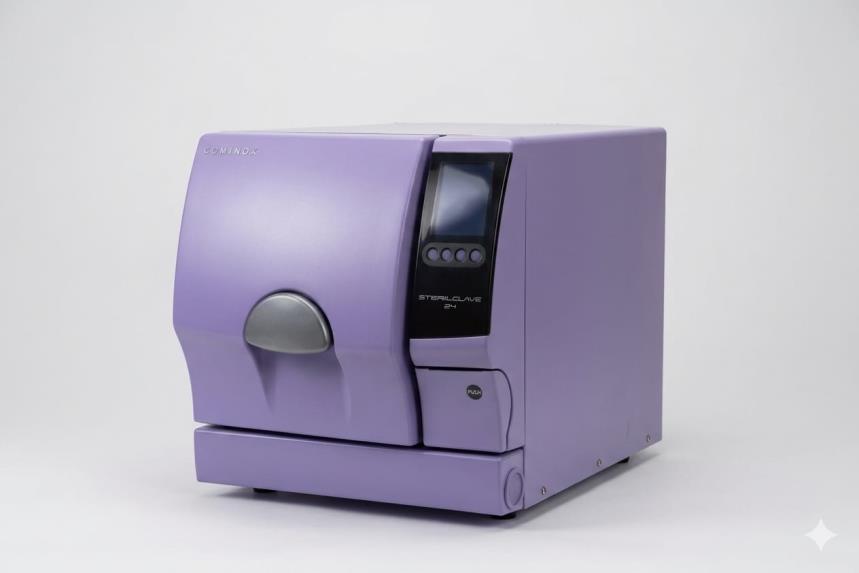
Autoclave
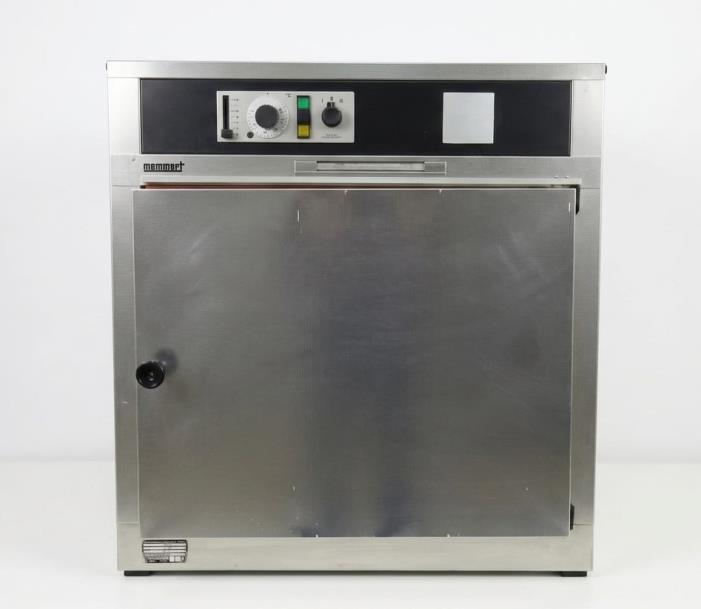
oven
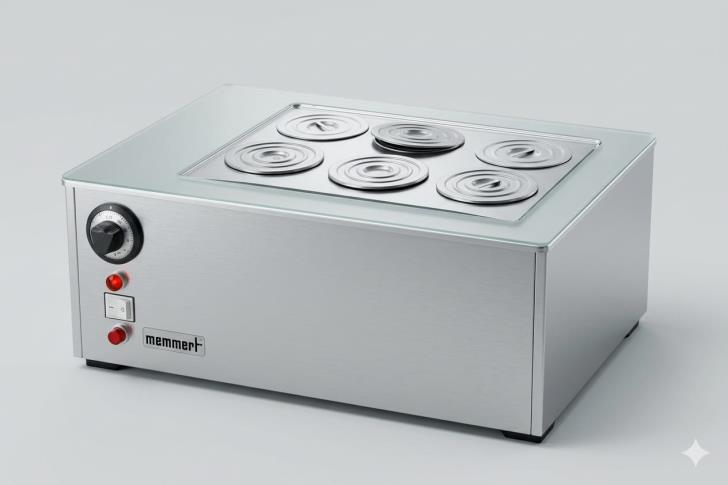
Water Bath
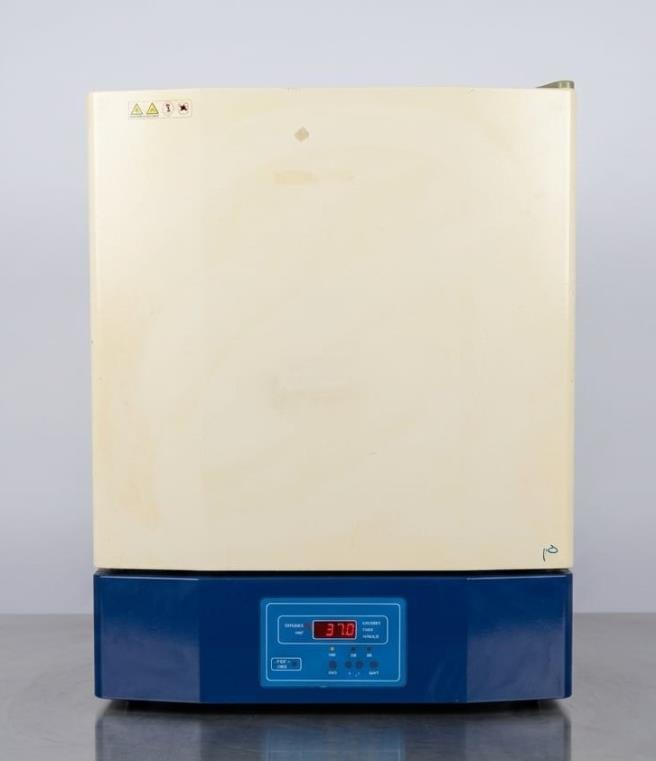
Digital Laboratory Incubator
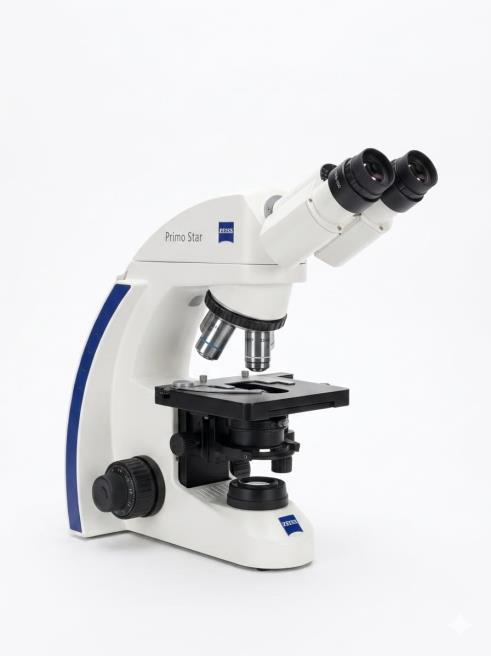
Microscope Ziess
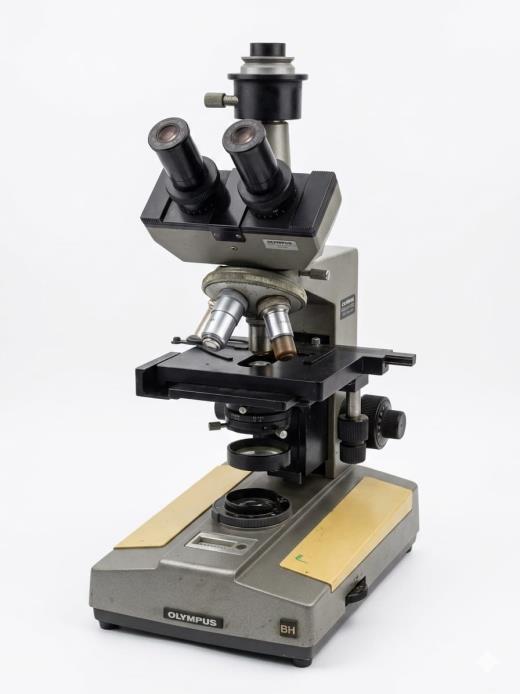
Microscope Olympus BH
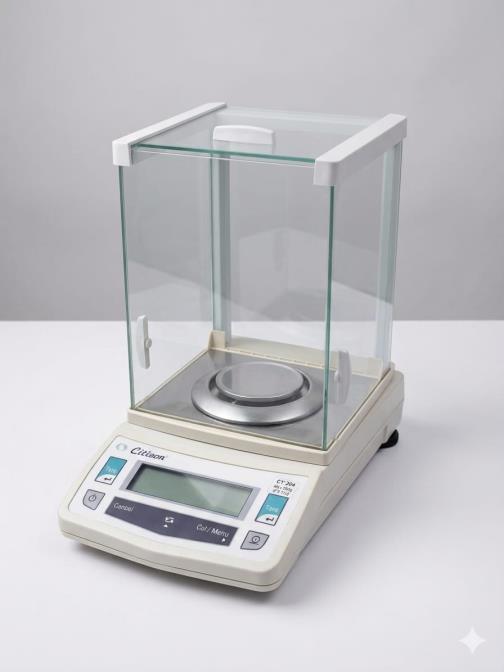
Analytical Balance
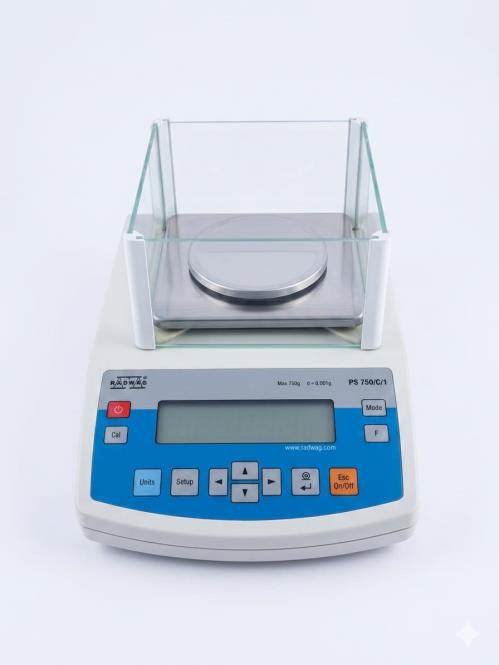
Analytical Balance
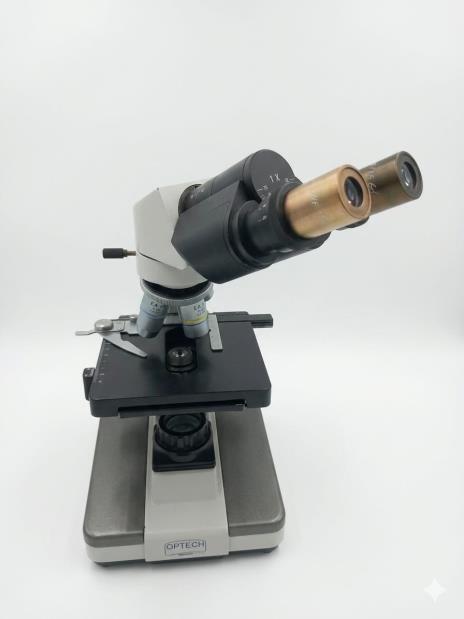
Compound Light Microscope
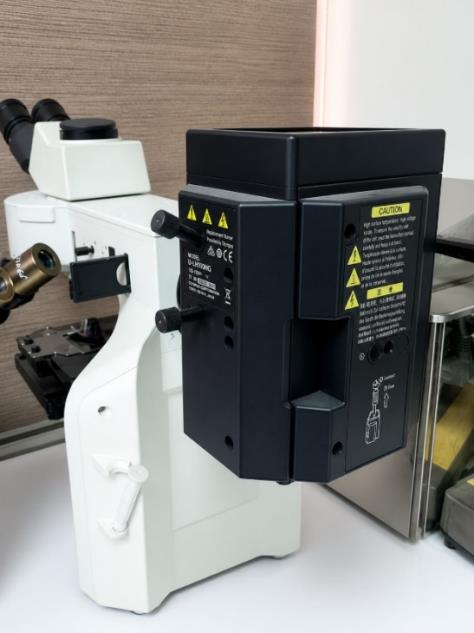
Fluorescence Lamp House Olympus
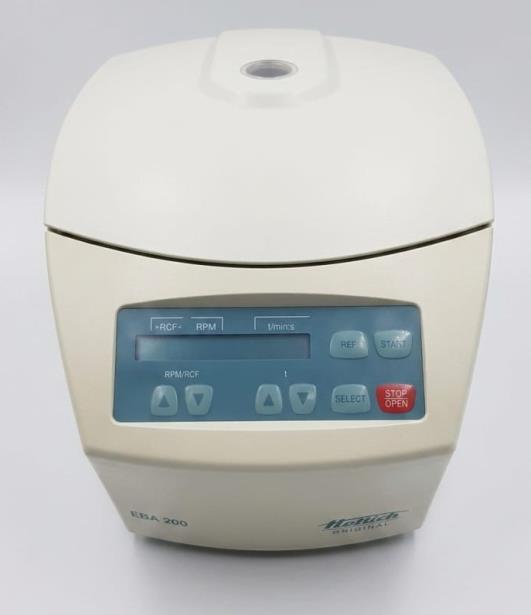
Centrifuge
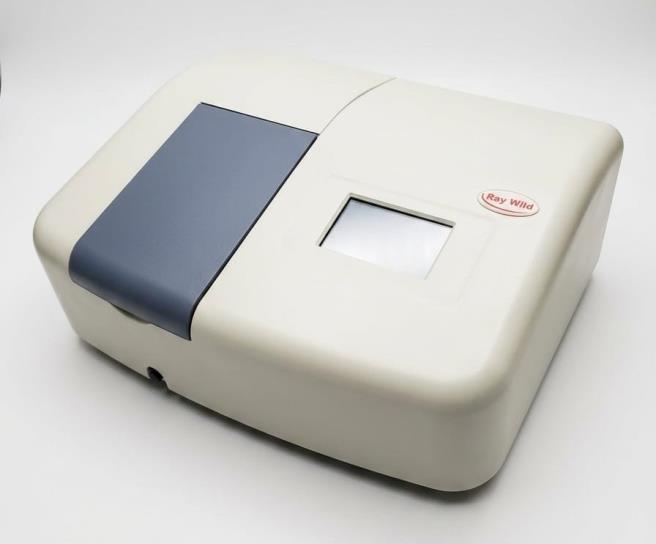
Spectrophotometer
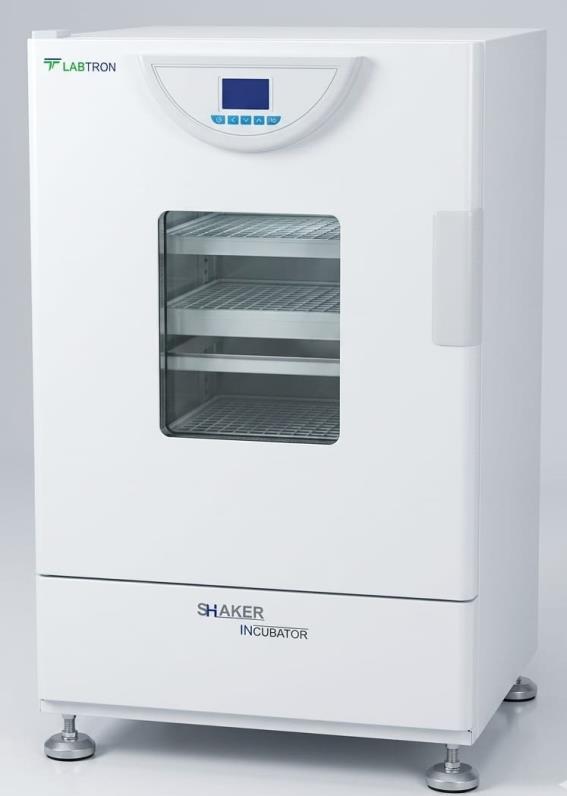
Shaker Incubator