Overview
Vision
Mission
Techniques
Equipment
Internal Medicine Unit Services
Services for patients
Training
Overview
The Internal Medicine Unit provides comprehensive medical support for patients receiving
ophthalmic care at the institute. It works closely with all ophthalmology departments to ensure
safe and effective patient management. The unit evaluates and optimizes patients’ general
health before ophthalmic surgery. It manages systemic diseases such as diabetes, hypertension,
cardiovascular disorders, and other medical conditions that may affect ocular health. Medical
consultations are provided for both outpatient and inpatient cases. The unit also monitors
patients with complex medical conditions throughout their ophthalmic treatment. Through a
multidisciplinary approach, it helps improve patient safety and surgical outcomes. The unit
supports evidence-based clinical practice and high standards of care. It actively participates in
clinical research and academic activities. The Internal Medicine Unit is committed to delivering
integrated, patient-centered healthcare that enhances the overall quality of ophthalmic
services.
Vision
To be a leading Internal Medicine Unit in ophthalmic healthcare, recognized for excellence in
providing comprehensive, patient-centered medical care that supports outstanding ophthalmic
outcomes. The unit aspires to integrate high-quality clinical practice, innovative research, and
multidisciplinary collaboration while promoting continuous medical education and adhering to
the highest standards of patient safety, quality, and evidence-based healthcare.
Mission
• To provide high-quality, evidence-based internal medicine services that ensure safe and
comprehensive care for ophthalmic patients.
• To support the diagnosis, management, and optimization of systemic medical conditions that may affect ophthalmic treatment and surgical outcomes.
• To conduct and promote clinical research in the field of internal medicine, contributing to scientific advancement and evidence-based practice.
• To actively participate in the institute’s clinical, academic, educational, and multidisciplinary activities in collaboration with all ophthalmology departments.
• To promote excellence in patient care through continuous professional development, teamwork, and adherence to the highest standards of medical practice.
• To support the diagnosis, management, and optimization of systemic medical conditions that may affect ophthalmic treatment and surgical outcomes.
• To conduct and promote clinical research in the field of internal medicine, contributing to scientific advancement and evidence-based practice.
• To actively participate in the institute’s clinical, academic, educational, and multidisciplinary activities in collaboration with all ophthalmology departments.
• To promote excellence in patient care through continuous professional development, teamwork, and adherence to the highest standards of medical practice.
Techniques
• Comprehensive preoperative medical assessment and perioperative risk stratification.
• Electrocardiography (ECG) interpretation for preoperative evaluation.
• Blood pressure assessment and management.
• Blood glucose monitoring and optimization for diabetic patients.
• Diagnosis and management of systemic diseases affecting ophthalmic patients.
• Medical clearance and fitness assessment for ophthalmic surgery.
• Management of acute and chronic medical conditions in hospitalized patients.
• Postoperative medical monitoring and management of systemic complications.
• Multidisciplinary consultation with ophthalmology subspecialties.
• Evidence-based clinical decision-making and individualized patient management.
• Electrocardiography (ECG) interpretation for preoperative evaluation.
• Blood pressure assessment and management.
• Blood glucose monitoring and optimization for diabetic patients.
• Diagnosis and management of systemic diseases affecting ophthalmic patients.
• Medical clearance and fitness assessment for ophthalmic surgery.
• Management of acute and chronic medical conditions in hospitalized patients.
• Postoperative medical monitoring and management of systemic complications.
• Multidisciplinary consultation with ophthalmology subspecialties.
• Evidence-based clinical decision-making and individualized patient management.
Equipment
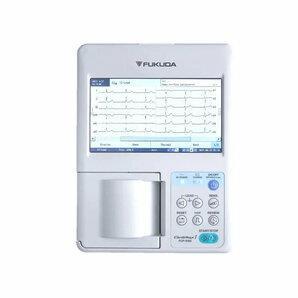
Electrocardiograph / ECG Machine)
Internal Medicine Unit Services
• Conduct comprehensive preoperative medical assessments and optimize patients’
general health to ensure fitness for ophthalmic surgery.
• Provide postoperative medical follow-up and management for patients requiring continued internal medicine care.
• Offer specialized outpatient internal medicine consultations for patients with systemic medical conditions.
• Participate in clinical research across various fields of internal medicine, with a focus on conditions affecting ophthalmic care.
• Collaborate with ophthalmology departments and other institute units in multidisciplinary clinical and research projects.
• Contribute actively to scientific meetings, educational activities, and academic programs organized by the Clinical Sciences Department.
• Provide postoperative medical follow-up and management for patients requiring continued internal medicine care.
• Offer specialized outpatient internal medicine consultations for patients with systemic medical conditions.
• Participate in clinical research across various fields of internal medicine, with a focus on conditions affecting ophthalmic care.
• Collaborate with ophthalmology departments and other institute units in multidisciplinary clinical and research projects.
• Contribute actively to scientific meetings, educational activities, and academic programs organized by the Clinical Sciences Department.
Services for patients
• Comprehensive preoperative medical assessment and fitness evaluation for ophthalmic
surgery.
• Medical optimization of patients with chronic diseases such as diabetes, hypertension, and cardiovascular disorders.
• Outpatient internal medicine consultations for patients referred from ophthalmology clinics.
• Inpatient medical consultation and management for hospitalized ophthalmic patients.
• Postoperative medical follow-up for patients requiring continued internal medicine care. • Blood pressure and blood glucose monitoring and control before and after surgery.
• Medical clearance and risk assessment for elective ophthalmic procedures.
• Diagnosis and management of systemic diseases that may affect ocular health.
• Coordination of multidisciplinary care with all ophthalmology subspecialties.
• Patient education on the prevention and management of systemic diseases to improve overall and ocular health.
• Medical optimization of patients with chronic diseases such as diabetes, hypertension, and cardiovascular disorders.
• Outpatient internal medicine consultations for patients referred from ophthalmology clinics.
• Inpatient medical consultation and management for hospitalized ophthalmic patients.
• Postoperative medical follow-up for patients requiring continued internal medicine care. • Blood pressure and blood glucose monitoring and control before and after surgery.
• Medical clearance and risk assessment for elective ophthalmic procedures.
• Diagnosis and management of systemic diseases that may affect ocular health.
• Coordination of multidisciplinary care with all ophthalmology subspecialties.
• Patient education on the prevention and management of systemic diseases to improve overall and ocular health.
Training
• Structured clinical training for internal medicine residents and junior physicians.
• Hands-on training in preoperative medical assessment and perioperative patient management.
• Clinical exposure through outpatient clinics, inpatient consultations, and emergency cases.
• Training in the diagnosis and management of systemic diseases affecting ophthalmic patients.
• Participation in multidisciplinary case discussions and clinical rounds with ophthalmology departments.
• Education in evidence-based medicine, clinical guidelines, and patient safety practices.
• Participation in clinical research, scientific meetings, and academic activities.
• Continuous professional development through lectures, workshops, seminars, and journal clubs.
• Hands-on training in preoperative medical assessment and perioperative patient management.
• Clinical exposure through outpatient clinics, inpatient consultations, and emergency cases.
• Training in the diagnosis and management of systemic diseases affecting ophthalmic patients.
• Participation in multidisciplinary case discussions and clinical rounds with ophthalmology departments.
• Education in evidence-based medicine, clinical guidelines, and patient safety practices.
• Participation in clinical research, scientific meetings, and academic activities.
• Continuous professional development through lectures, workshops, seminars, and journal clubs.