The biochemistry unit performs scientific researches mainly concerned with ocular disorders, and ocular complications of systemic diseases.
The biochemistry section estimates and interprets different biochemical parameters in humans and experimental animals by different biochemical assays including spectrophotometry, colorimetry, ELISA, electrophoresis, gel documentation, column chromatography.
- Prediction of diabetic retinopathy among Egyptian patients with type I diabetes Mellitus (Finished and have 2 publications).
- Chemical and Pharmacological Chaperones: A potential therapeutic strategy for diabetic ocular complications (Finished and have 1 publication and another paper in publication procedure)
- Potential Treatment of Diabetic Retinopathy with Angiotensin II Inhibitors in Relation to the VEGF-Ang-Tie2 System of Angiogenic Factors: an experimental study (still Working on it).
- Evaluation of In-Situ Hydro-gel as a Topical Ocular Drug Delivery System for Controlling Experimentally Induced Models of Diseases of the Anterior Segment.
(The unit is participating in this project with Pharmacology unit in RIO; the project is funded from Academy of Scientific Research and Technology – ASRT & still Working on it).
- Medicinal plants for potential treatment of various ocular diseases.(pilot study) – (the unit is participating in this project with Pharmacology unit in RIO; via Co-operation protocol between Research Institute of Ophthalmology and Faculty of Science – Alexandria University under supervision of TAICO office in RIO).
- Chemical and pharmacological chaperones………….. (Finished and have 2 publications and one paper in publication procedure).
1. Water distiller, Labtech.
2. Centrifuge.
– 2 centrifuge devices, Hettich.
– Centrifuge, Sigma 2D.
3. Cooling centrifuge, Tehtnica, centric 200R
4. Electromagnetic stirrer with heater, Joanlab.
5. PH meter.
– PH meter, Acculab.
– Digital PH meter, Knick.
6. ELISA.
– Thermo scientific Elisa.
– Elisa, Dynatech Medical Laboratories.
7. Spectrophotometer
– UV-VIS Double Beam
– Spectrophotometer, Ribonk.
8. Labona, HbA1c.
9. Scale Balance, Shimadzu.
10. Electrophoresis:-
– Horizontal electrophoresis.
– Vertical electrophoresis, CBS. Scientific Co.
13. Deep freezer -30, Frimed
14. Fraction Collector for column chromatography, Frac 920
15. Shaker, Stuart Scientific
16. Vortex “ Julabo”
17. Water bath18. Trans blot semi wet for western blot analysis “Biorad”
19. Chemiluminescence reader.
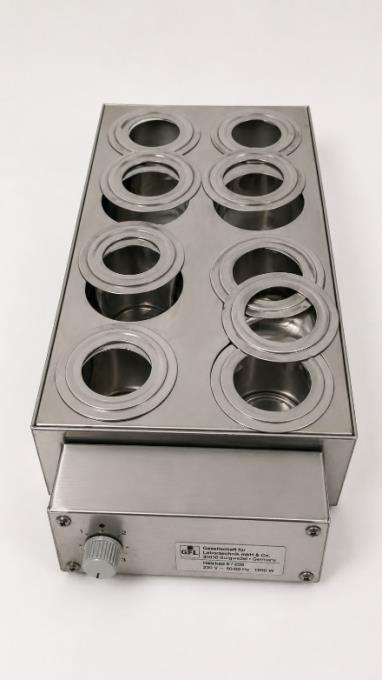
Water Bath
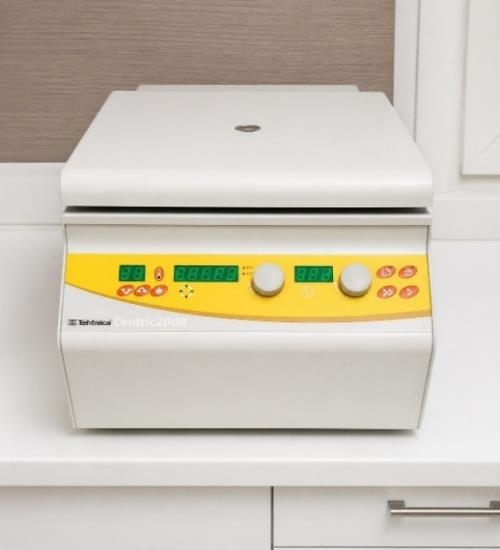
Cooling Centrifuge
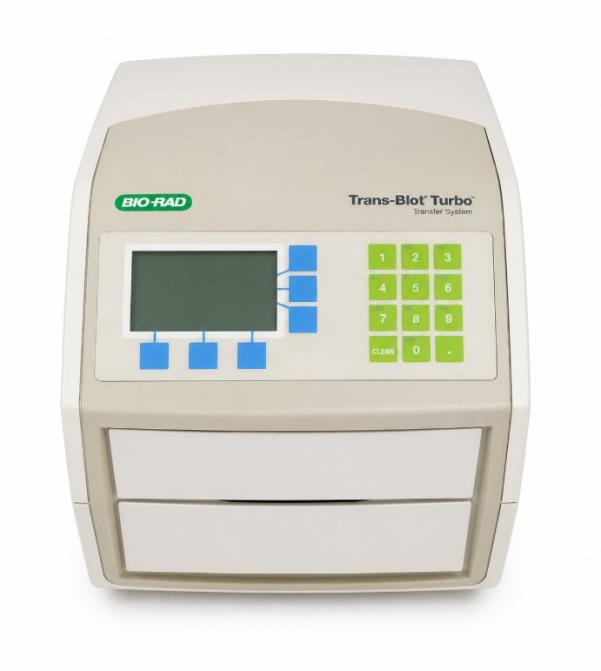
Transbiot
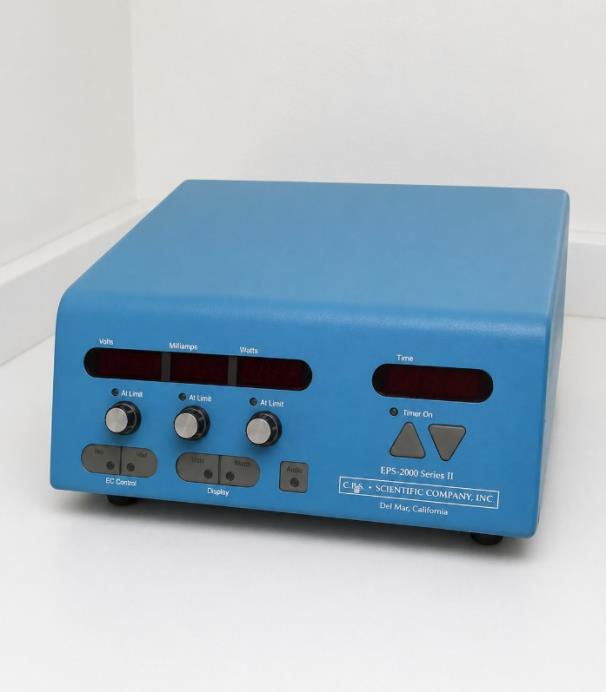
Power Supply
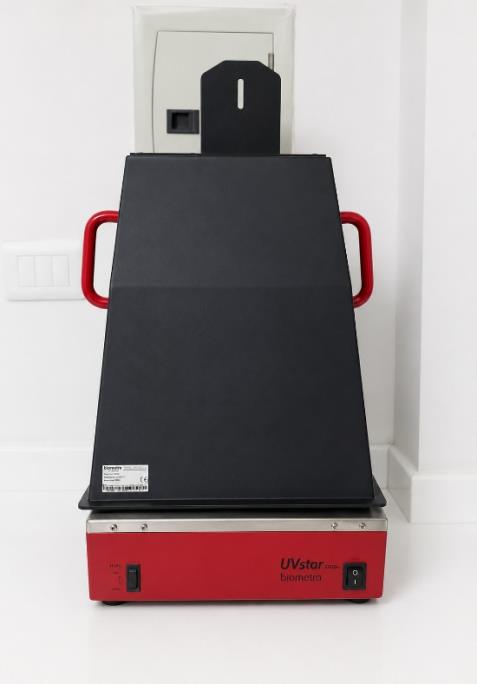
Gel Documentation System
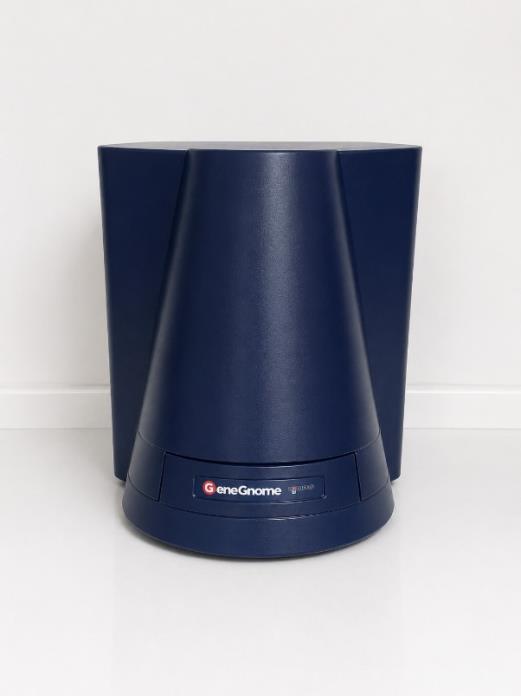
Chemiluminescence
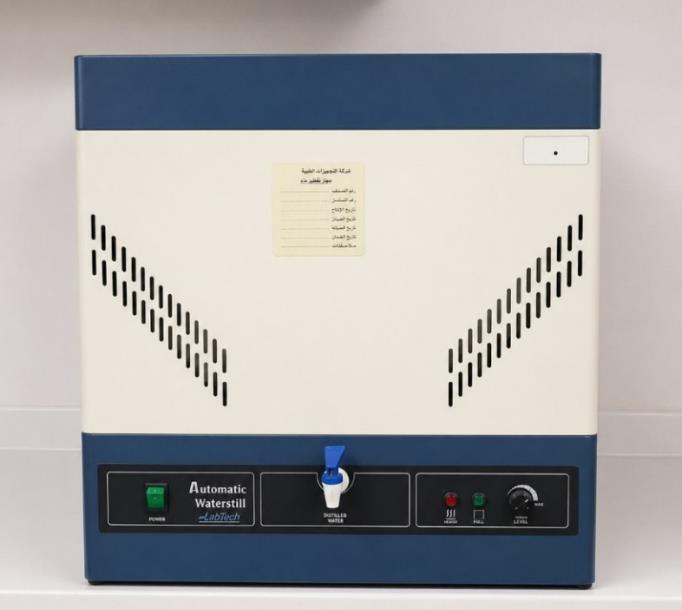
Automatic Water StillerSystem
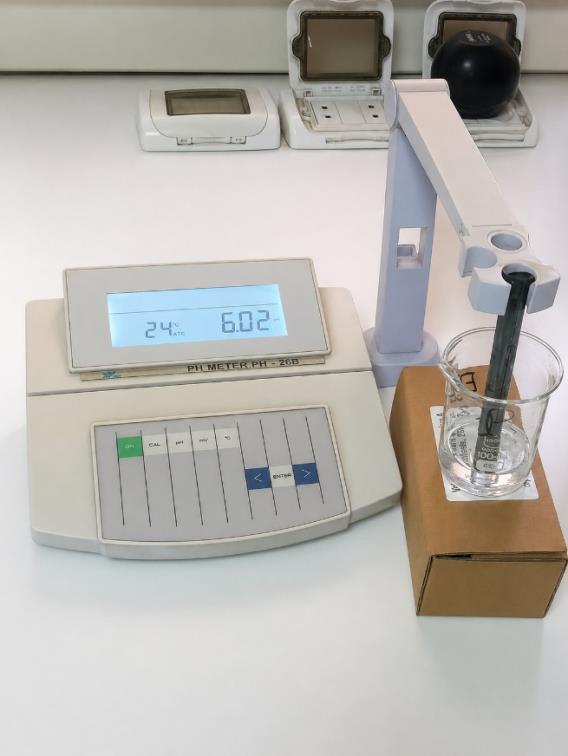
PH
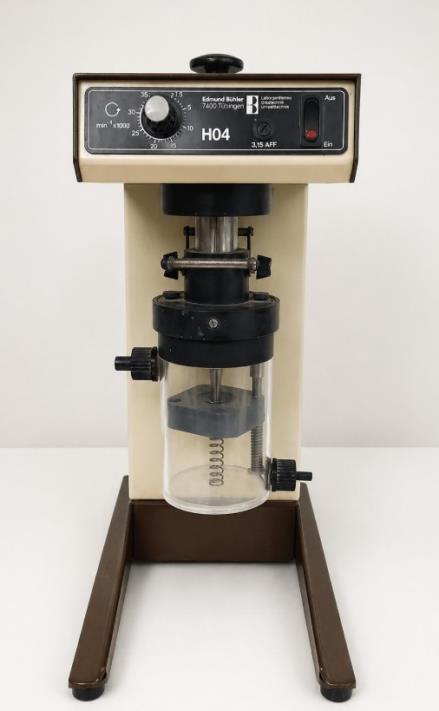
Homogenizer
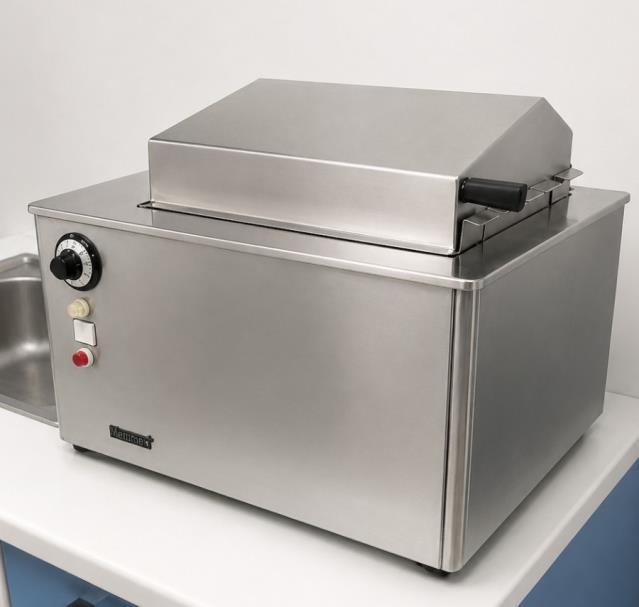
Water Bath
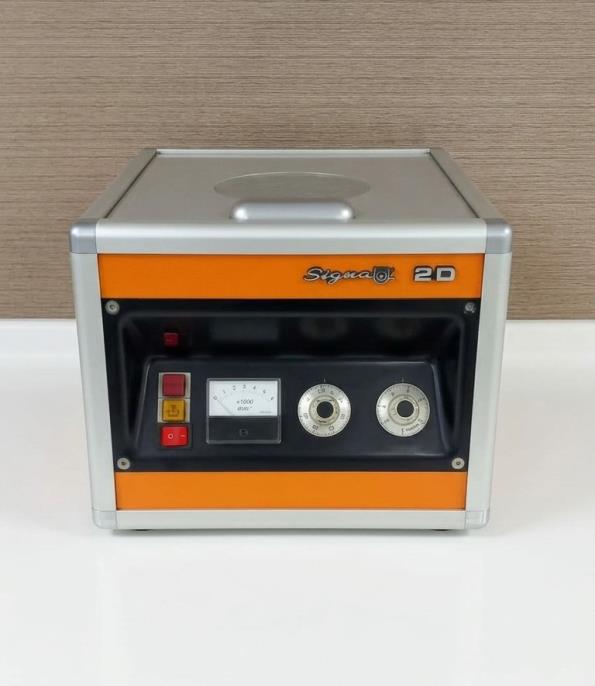
Centrifuge
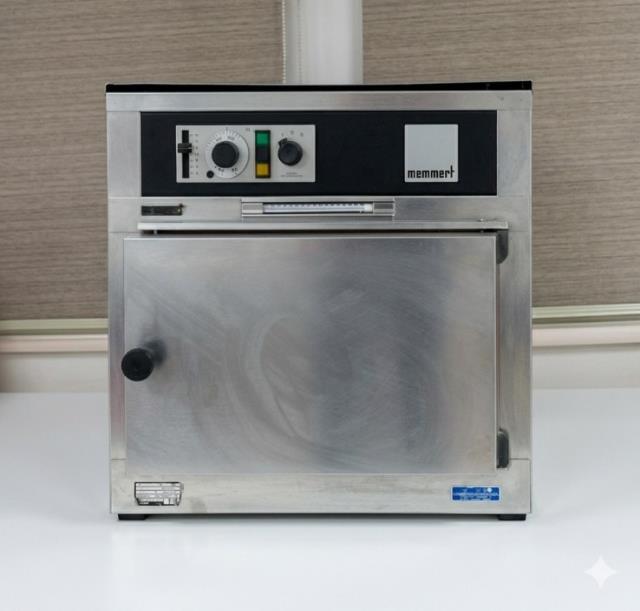
Incubator
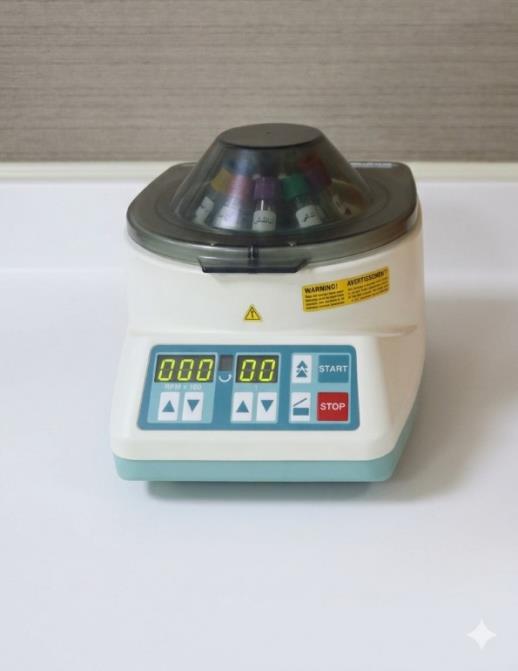
Centrifuge
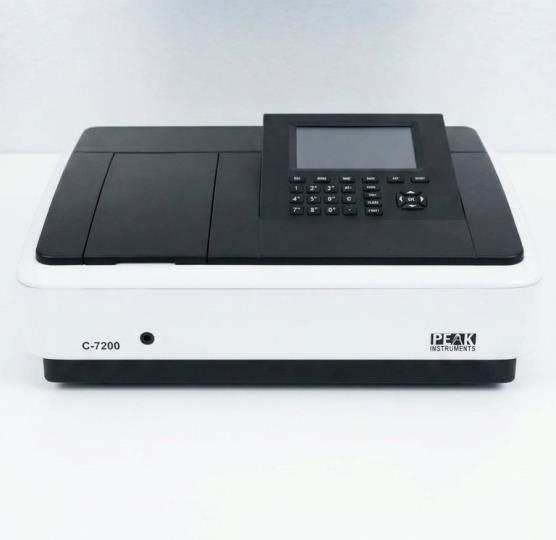
Spectrophotometer
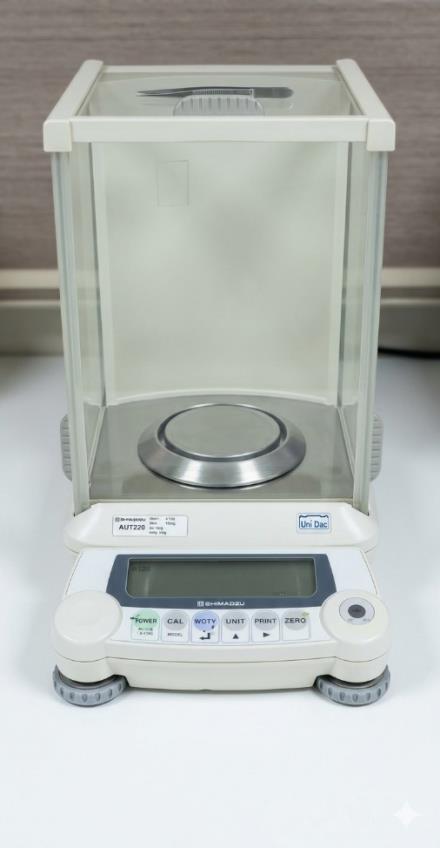
Analytical Balance
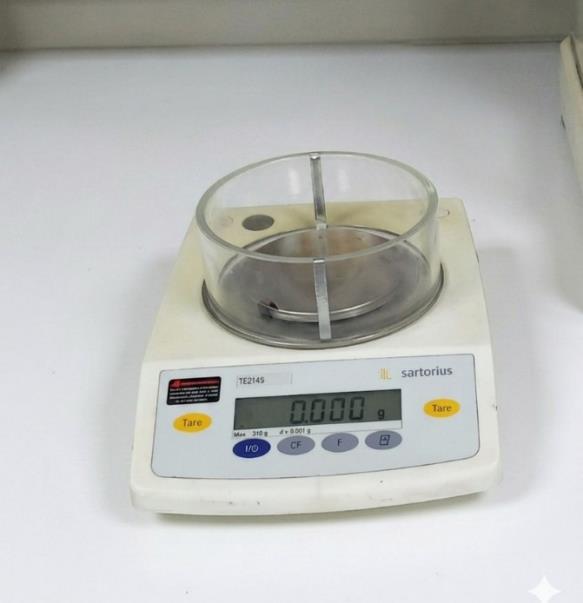
Analytical Balance
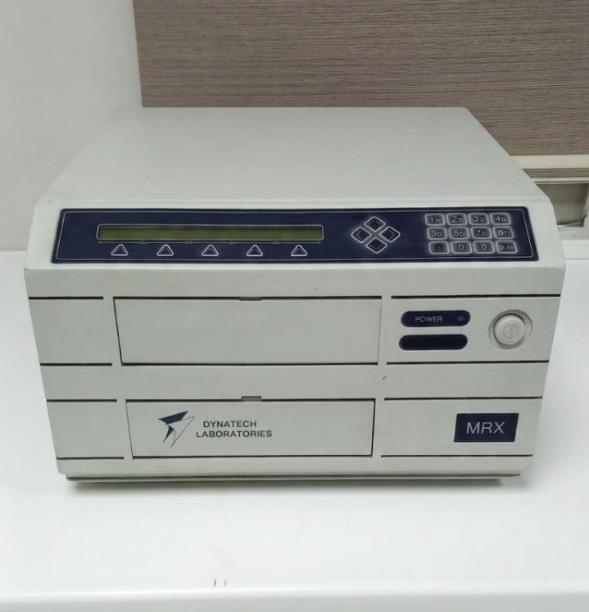
ELISA
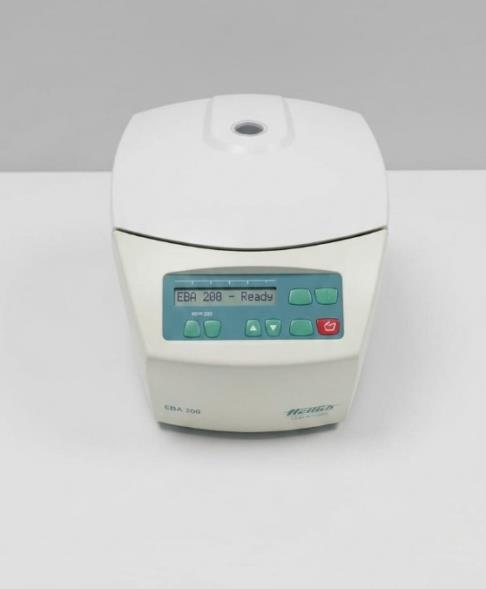
Centrifuge
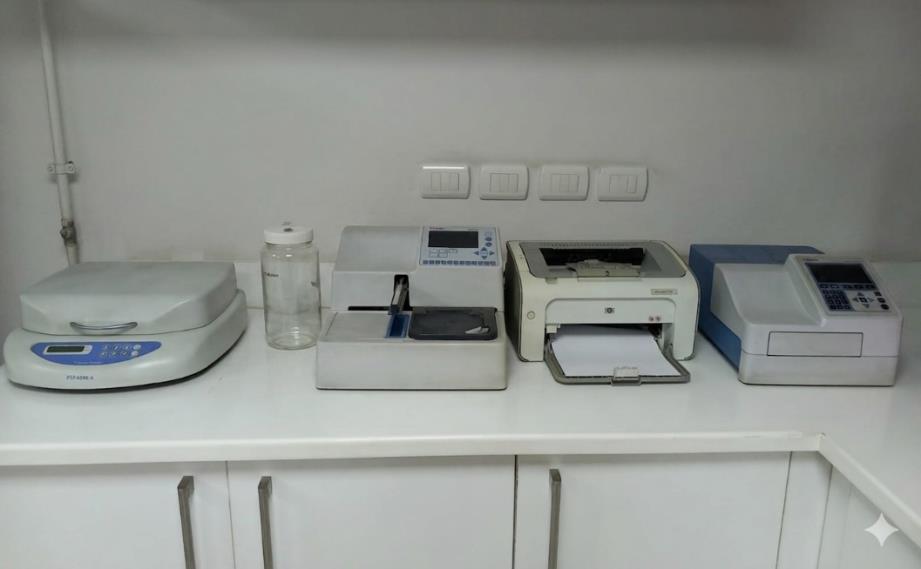
Total ELISA
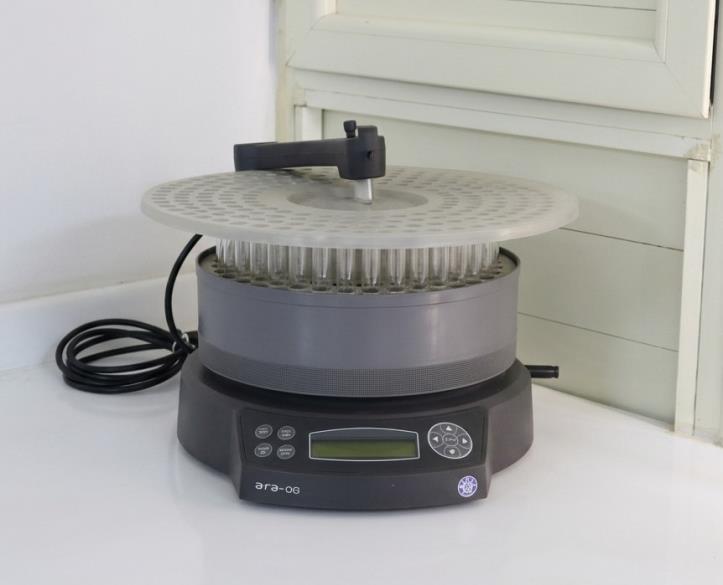
Fraction Collector
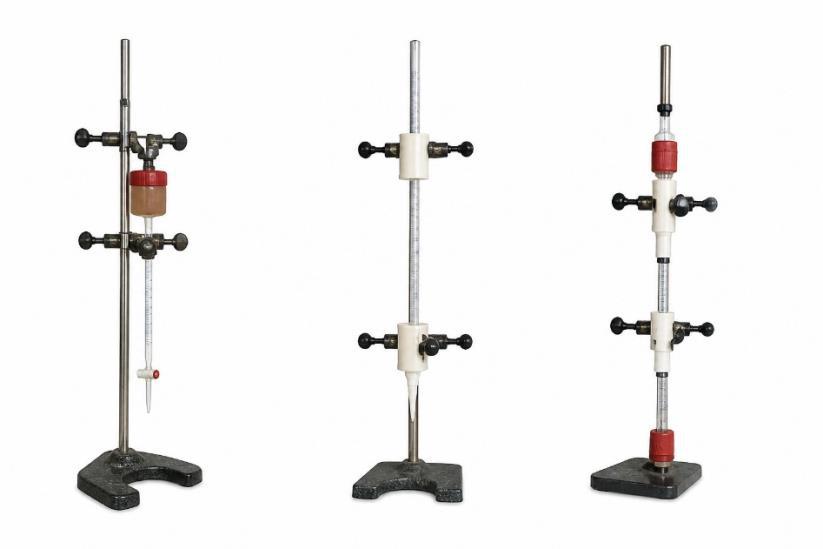
Chromatography Columns
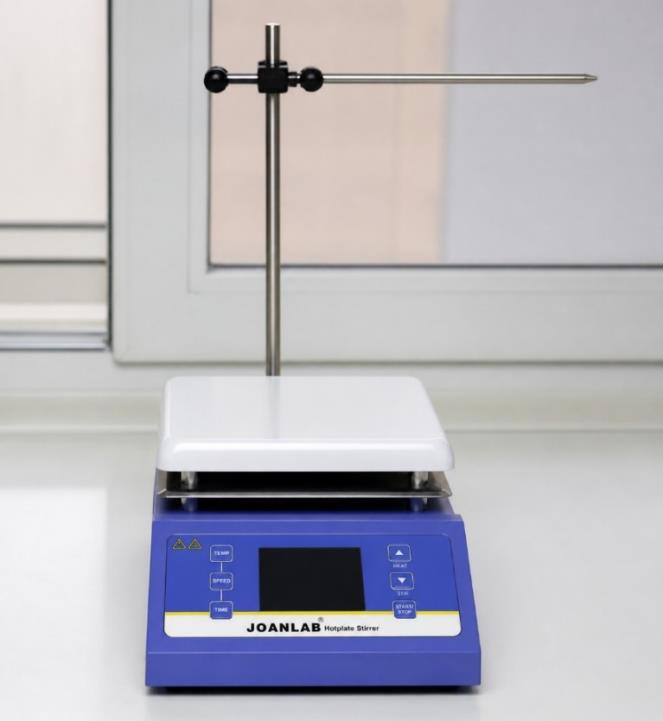
Magnetic Hotplate Stirrer
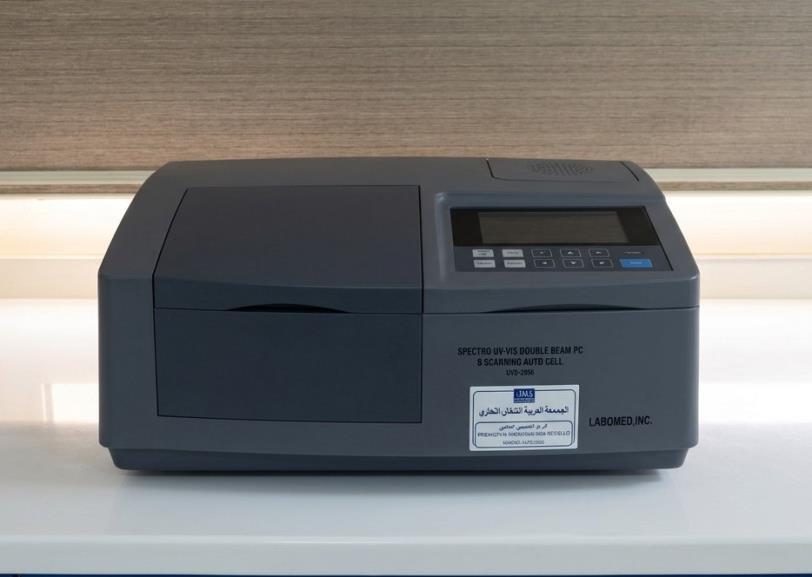
UV-Vis Double Beam Spectrophotometer
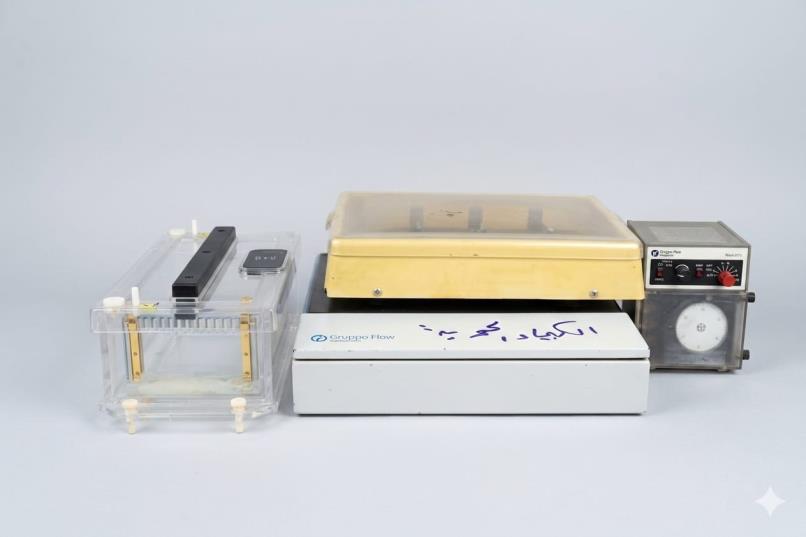
Electrophoresis
- Members of the research authority in the unit perform their supervision on MSc. and PhD. thesis for RIO students and exterior students.
- Moreover, they perform the research analyses for the experimental part of the thesis. Examples of the analyses performed in the unit:
Analysis | Samples | Techniques |
Interleukins- | serum –aqueous vitreous- | ELISA |
VEGF | Serum – aqueous- vitreous- retina- tears- cornea | ELIZA |
Advanced glycation end product | Serum – lens | ELISA |
Interferon inducible protein 10 | Serum – aqueous humor | ELISA |
Angiogenic factors | Serum – aqueous- vitreous- retina- cornea | ELISA |
Apoptosis markers | Serum – aqueous- vitreous- retina- cornea | ELISA |
Autophagy marker (LC3) | Pancreas | Western blot |
Endoplasmic reticulum stress markers (phospho-eIF2α, CHOP, GRP78) | Retina- lens | Western blot – ELISA |
Separation of proteins | Serum – aqueous- tears | Gel electrophoreses |
Separation of lens proteins | Lens | Column chromatography |
Oxidant /antioxidant markers | Serum – aqueous- tears- lens – retina- cornea | Colorimetric |
- The unit performs eye disorder models on experimental animals like (Diabetic cataract and retinopathy – senile cataract – glaucoma – Uveitis – Dry eye – Retinitis pigmentosa).
- The unit members are participating in many scientific researches with colleagues from ophthalmology, histology, genetics, optical physiology and medical statistics departments.
The unit can perform Thyroid evaluation analyses (T3, T4 (total), Free T3, T4, and TSH).