Laboratory Animal House
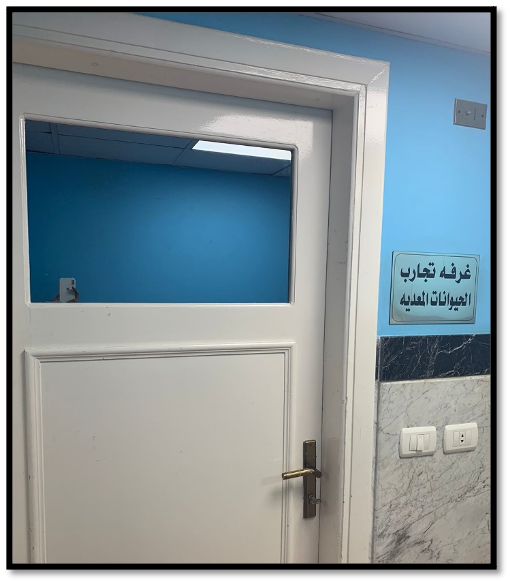
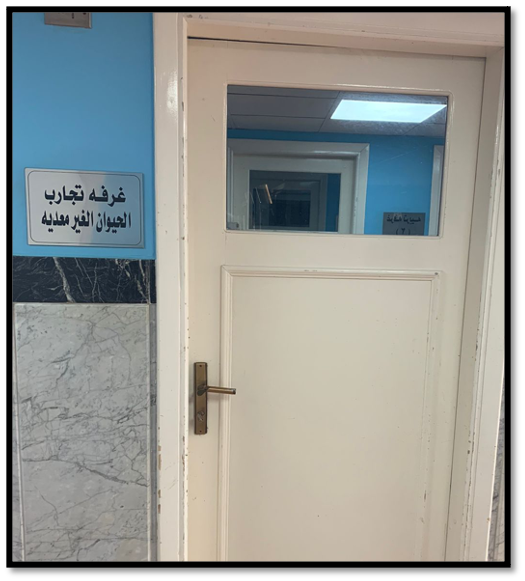
The Animal House Laboratory at the Research Institute of Ophthalmology is an integrated facility for the care and use of experimental animals in scientific research so that it provides the appropriate environment for the maintenance of animals and provides a safe workplace for researchers and workers in the place.
The main objective of the Laboratory Animal House is to facilitate animal experiments and reduce variables to preserve the results of scientific research, in addition to providing the numbers and types of experimental animals such as rats, rabbits and mice.
The animals used in the experiments differ in terms of their source and health status, which affects the quality of the research results, and therefore the Laboratory Animal House at the Research Institute of Ophthalmology provides an important condition for conducting research on animals, which is the standardization of the source and health status of animals by providing an integrated environment for survival.
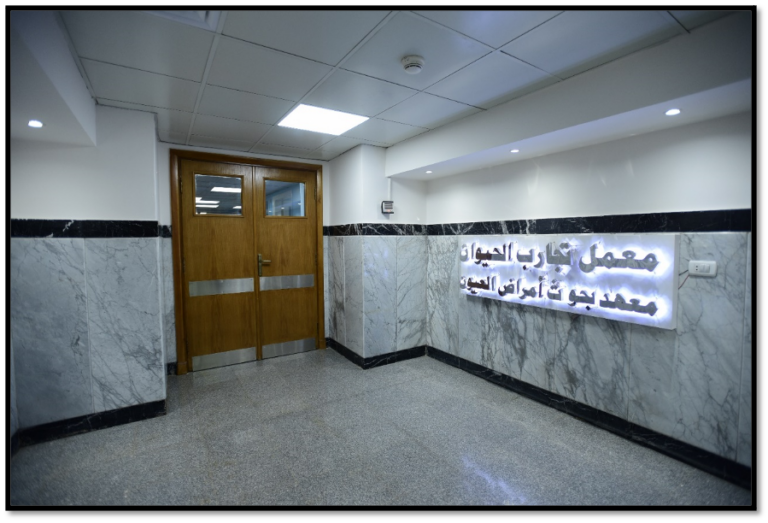
Standards provided by the Laboratory Animal House:
- The materials used in construction and finishes are durable, waterproof and chemicals that are used is hygienic.
- It provides special equipment for sterilization in accordance with the needs of the place.
- Provides special hygiene for animals.
- Provides proper ventilation to maintain temperature and humidity levels.
- It allows the separation of animals of different types and un-determined health status.
- It provides dedicated spaces for practicing some scientific procedures such as sampling from experimental animals.
- Places to store equipment and cages.
- It provides basic services such as water, ventilation, electricity and sanitation as the facility is used 24 hours a day throughout the year.
- It ensures the ease of receiving newly received animals, as well as the transfer of animals from the place in addition to the ease of waste removal.
Essential components of the Laboratory Animal House:
- The Experimental Animal House is located on an area of 425 square meters on the third floor of the Research Institute of Ophthalmology and contains
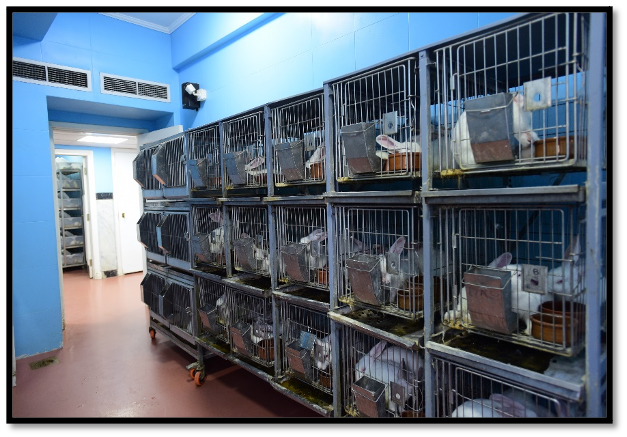
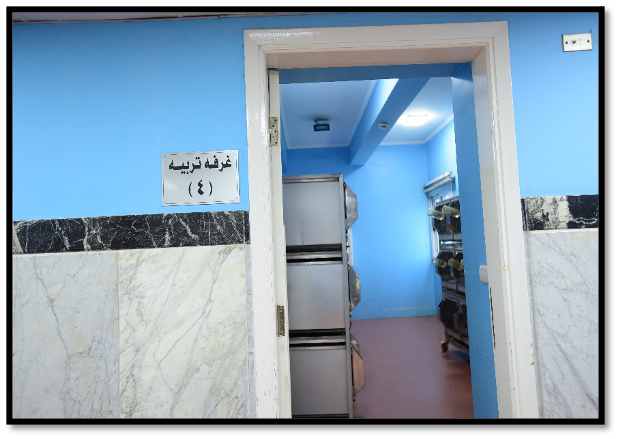
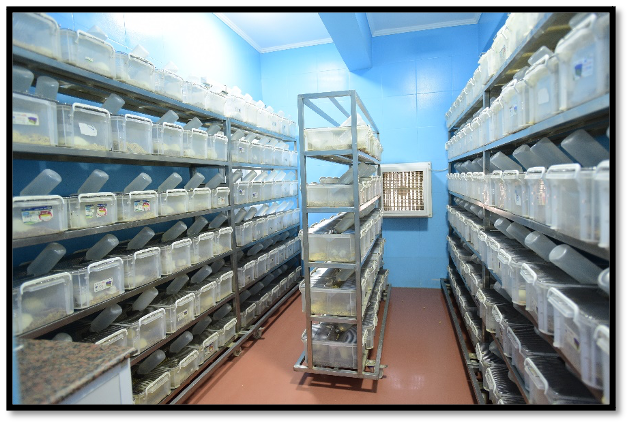
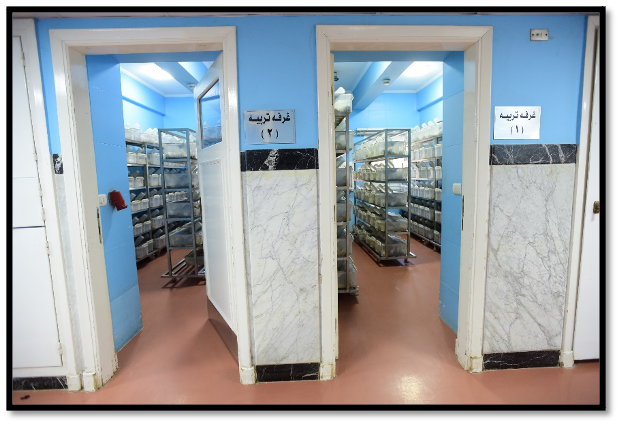
- There are 6 animal living rooms and each room has one type of animal similar in terms of health status, which reduces the risk of diseases and maintains the quality of research results.


- Isolation rooms and separating sick animals from healthy animals, as well as isolating animals that were transferred from the place for any reason until ensuring the safety of their health condition before returning them again.
- Animal use rooms to do any research procedures such as limiting the movement of animals for a certain period, injections or sampling, as this is done away from the living rooms so that the rest of the animals are not affected.


- Area for storing feed and bedding material (wood shaving).
- Waste collection compartment.
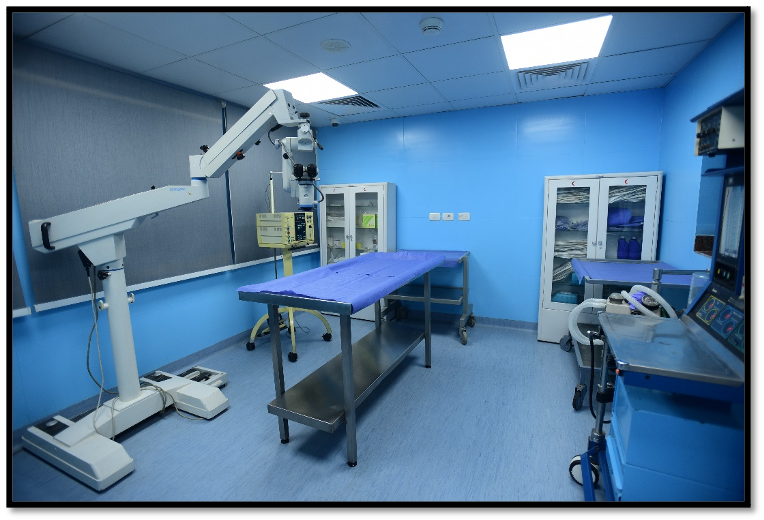
- The experimental surgery room where the surgery is performed in sterile conditions using medical standards, equipment preparation, sterilization of surgical instruments, anesthesia, artificial degeneration device, in addition to animal care during the recovery period
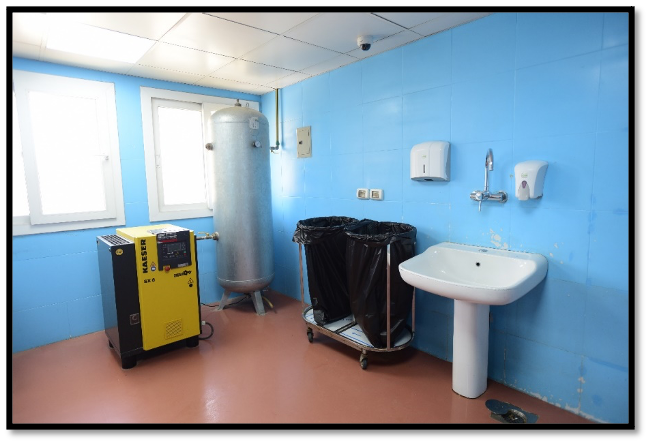
- It also has an area for washing tools and hands, an air bath, as well as a service supply to deliver gases, oxygen and electricity.
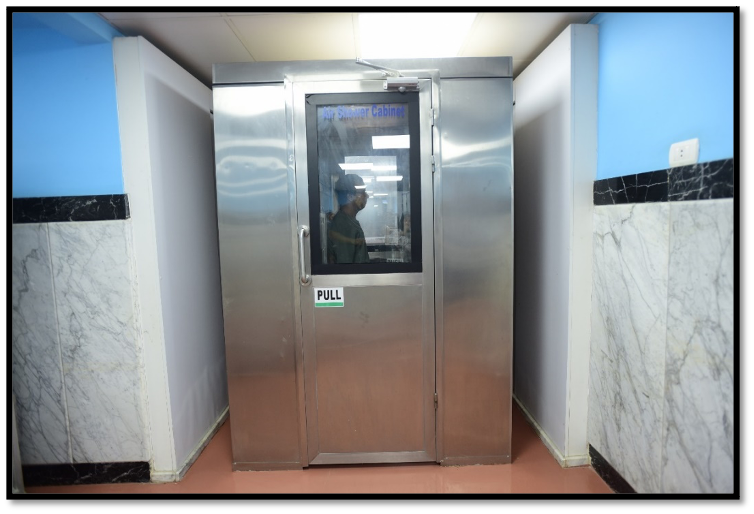
- Air cabin separates the main corridor and the corridor of the living rooms to take an air bath upon entry and when leaving the place to prevent the transmission of infection.
- Heating, ventilation and air conditioning provide a healthy environment for animals, researchers and workers in the place.
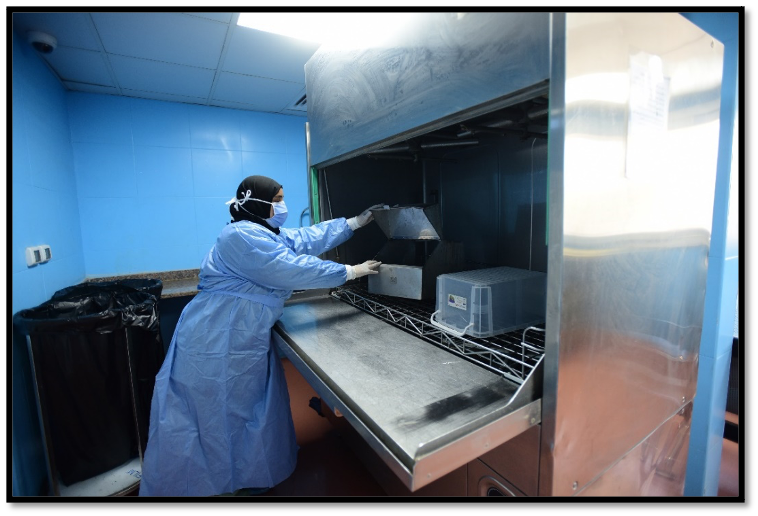
- Places for washing and sterilizing animal cages and equipment, where sterilization is done with steam, which is the main means of sterilizing cages, water bottles and other tools.
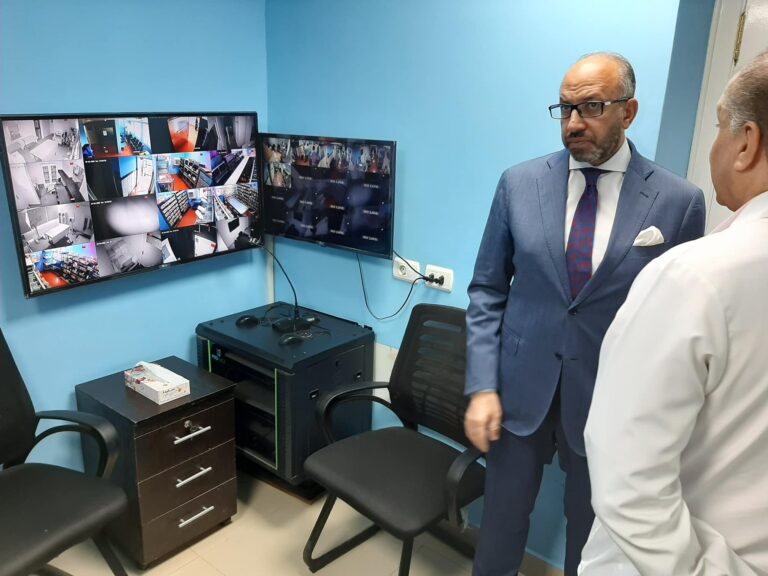
- The receptionist, where the entry and exit of researchers, technicians and everyone who deals with animals through the receptionist, and the office also saves information and fills out purchase orders
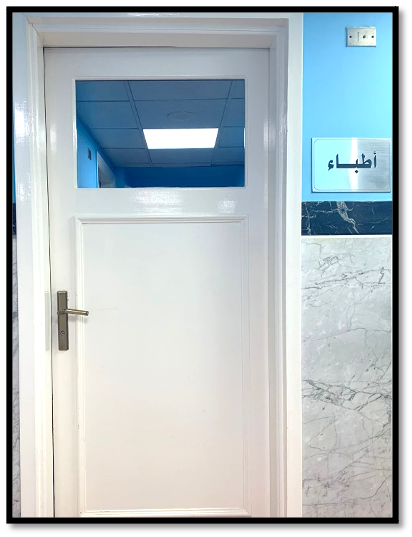
- Doctors' Lounge