A Physiological Unit in a Vision Science Department is responsible for studying the normal functioning of the eye and visual system. It provides the scientific foundation needed to understand how vision works and how physiological changes can affect visual performance. This knowledge is essential for students in optometry, ophthalmology, and vision science.
Vision is the physiological process by which the eyes detect light and the brain interprets it to create images of the surrounding environment. It is one of the most important senses, allowing humans to recognize objects, perceive color, judge distance, and coordinate movement.
The mission of the Physiological Unit is to provide high-quality education in ocular and visual physiology that equips students with a comprehensive understanding of the normal functions of the eye and visual system. The unit is committed to promoting excellence in teaching, fostering scientific inquiry and research, supporting evidence-based clinical practice, and encouraging lifelong learning. Through innovation, collaboration, and community engagement, the unit aims to prepare competent graduates who contribute to the advancement of vision science and the improvement of eye health.
- Visual acuity assessment.
- Colour vision testing.
- Contrast sensitivity measurement.
- Pupillary light reflex assessment.
- Visual field (perimetry) testing.
- Accommodation and convergence evaluation.
- Tear film and ocular surface assessment.
- Measurement of intraocular pressure using non-invasive methods for demonstration purposes.
- Electroretinography (ERG) to assess retinal function.
- Visual Evoked Potentials (VEP) to evaluate the integrity of the visual pathway.
- Electrooculography (EOG) to assess retinal pigment epithelium function and eye movements.
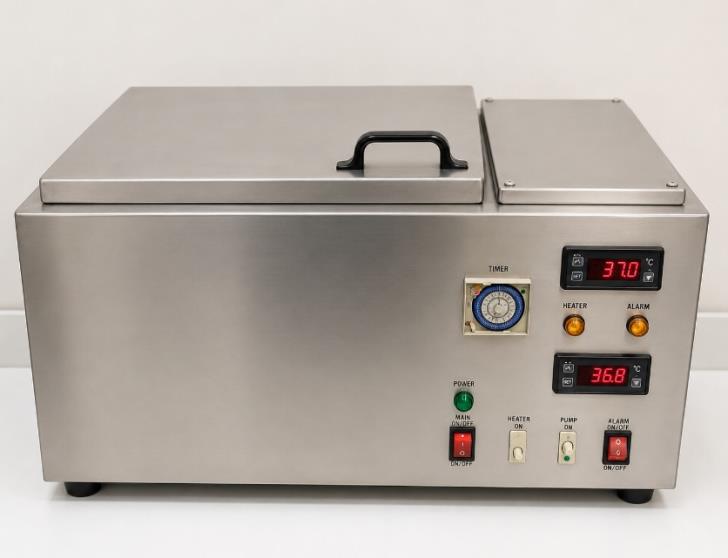
Water Bath
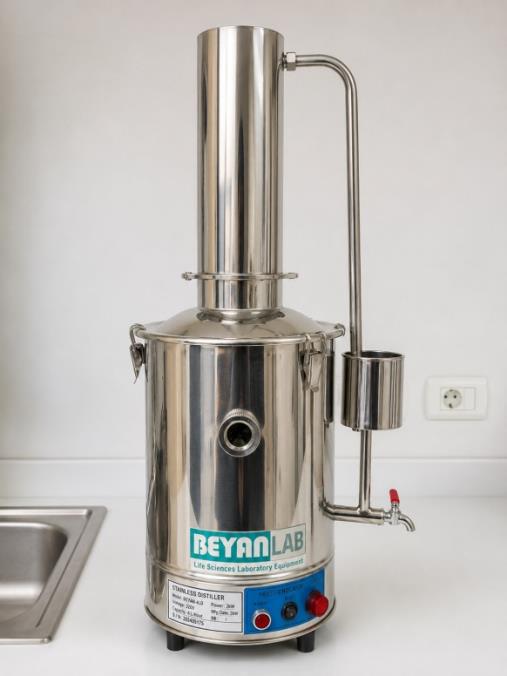
Water Distiller
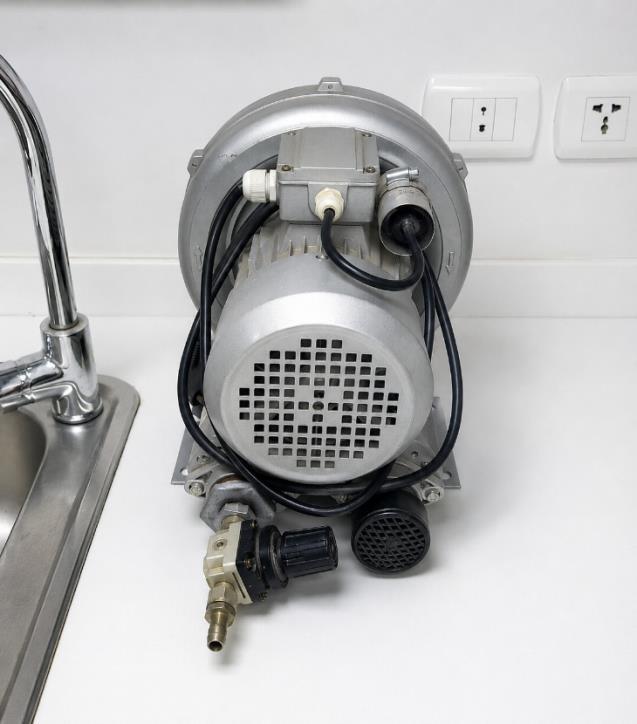
Vacuum Pump
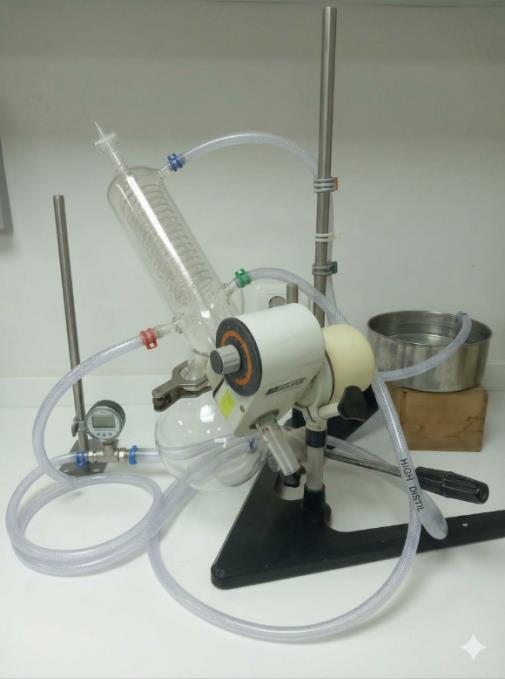
Rotary Evaporator
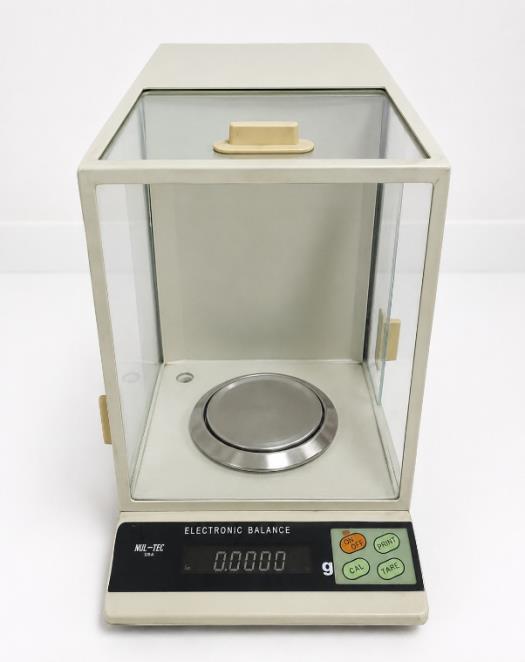
Analytical Balance
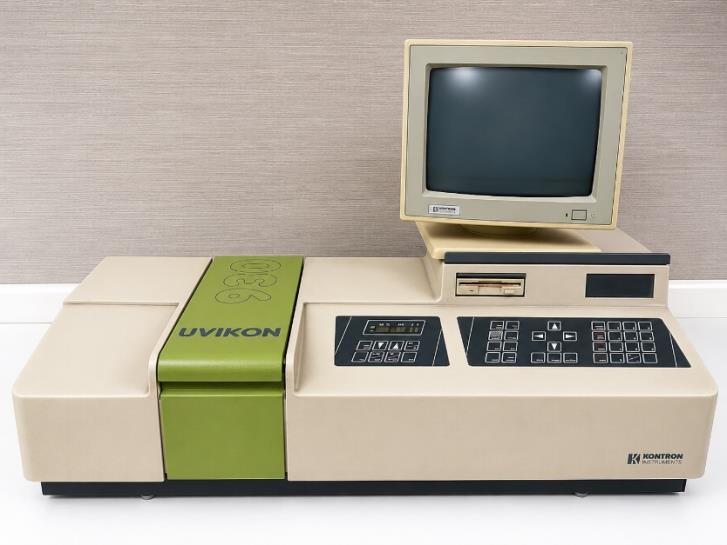
Spectrophotometer
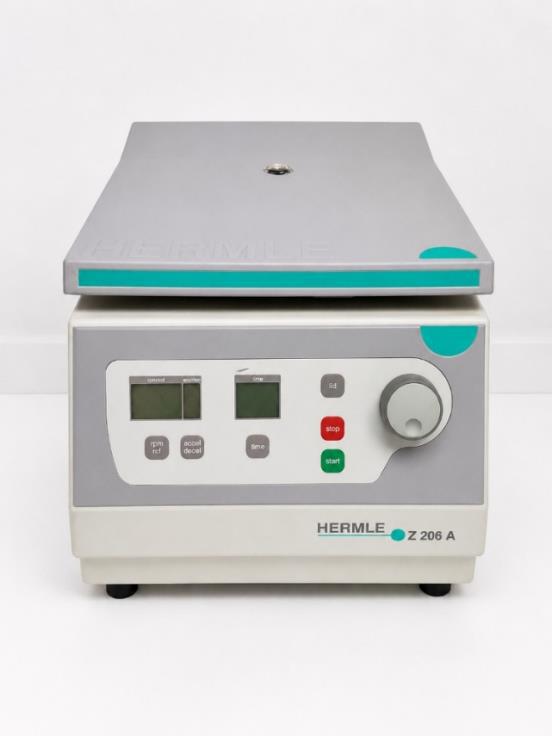
Centrifuge
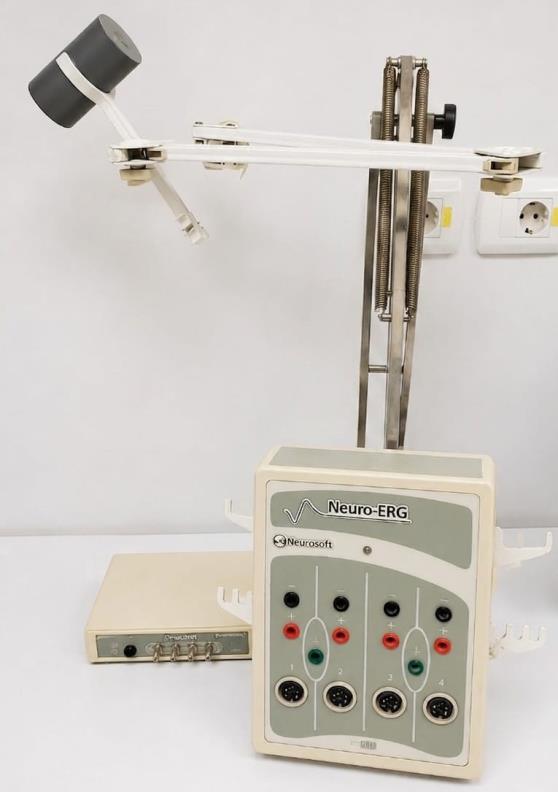
Electroretinography – ERG
The Physiological Unit of the Vision Science Department provides a comprehensive range of services that support basic, translational, and clinical research in ocular physiology and vision science. These services facilitate investigations into visual function, ocular surface health, retinal physiology, and the pathophysiology of eye diseases.
The Physiological Unit of the Vision Science Department provides specialized diagnostic and functional assessments to evaluate visual performance, ocular surface health, and retinal function. These services support the diagnosis, monitoring, and management of a wide range of ocular and neuro-ophthalmic disorders.
The Physiological Unit of the Vision Science Department offers structured training programs for undergraduate and postgraduate students, researchers, clinicians, technicians, and healthcare professionals. The programs provide theoretical knowledge and practical experience in ocular physiology, vision science research, electrophysiological testing, and clinical diagnostic techniques.