Overview
Vision
Mission
Projects
Techniques
Equipment
Services for researchers
Services for patients
Training
Overview
The Ear, Nose & Throat (ENT) Department is a specialized clinical unit dedicated to the
diagnosis, medical and surgical management of disorders affecting the ear, nose, throat, head,
and neck. The department provides comprehensive care for patients of all ages, addressing both
common and complex otolaryngological conditions.
It is equipped with modern diagnostic tools and advanced surgical facilities to ensure accurate
evaluation and effective treatment. The department covers a wide range of services, including
management of hearing and balance disorders, nasal and sinus diseases, voice and swallowing
disorders, and head and neck conditions. Special emphasis is placed on minimally invasive
techniques, endoscopic procedures, and evidence-based clinical practice to achieve optimal
patient outcomes and improve quality of life.
Vision
To be a leading center of excellence in otolaryngology by providing advanced, patient-centered
care for ear, nose, throat, head, and neck disorders. The department aims to achieve
outstanding clinical outcomes through the integration of modern diagnostic technologies,
innovative surgical techniques, and continuous medical education.
It is committed to improving quality of life by preventing, diagnosing, and treating ENT diseases
according to international standards, while fostering research, training, and multidisciplinary
collaboration to advance the field of otolaryngology locally and regionally.
Mission
The mission of the Ear, Nose & Throat (ENT) Department is to deliver comprehensive, high-
quality care for patients with disorders affecting the ear, nose, throat, head, and neck through
accurate diagnosis, effective medical and surgical management, and evidence-based practice.
The department is committed to improving patient outcomes by utilizing modern diagnostic
tools, advanced endoscopic and surgical techniques, and a multidisciplinary approach to care. It
also aims to promote medical education, clinical training, and scientific research, while
enhancing awareness and prevention of ENT diseases to improve the overall quality of life in the
community.
Projects
Techniques
The Ear, Nose & Throat (ENT) Department utilizes advanced diagnostic and surgical techniques
to ensure accurate evaluation and effective management of otolaryngological disorders.
These techniques include:
• Diagnostic and operative nasal endoscopy for evaluation of nasal and sinus diseases.
• Laryngeal endoscopy and stroboscopy for assessment of voice and vocal cord disorders.
• Otoscopy and microscopic ear examination for diagnosis of ear pathologies.
• Audiological testing including pure tone audiometry and speech audiometry.
• Tympanometry and impedance audiometry for middle ear function assessment.
• Endoscopic sinus surgery (FESS) for chronic sinusitis and nasal obstruction.
• Microscopic and endoscopic ear surgeries for hearing restoration procedures.
• Tonsillectomy and adenoidectomy using modern surgical techniques.
• Management of nasal septal deviation through septoplasty.
• Treatment of sleep-related breathing disorders including obstructive sleep apnea.
• Head and neck surgical procedures for benign and malignant lesions.
• Use of advanced imaging techniques (CT, MRI) for ENT diagnosis and surgical planning.
These techniques include:
• Diagnostic and operative nasal endoscopy for evaluation of nasal and sinus diseases.
• Laryngeal endoscopy and stroboscopy for assessment of voice and vocal cord disorders.
• Otoscopy and microscopic ear examination for diagnosis of ear pathologies.
• Audiological testing including pure tone audiometry and speech audiometry.
• Tympanometry and impedance audiometry for middle ear function assessment.
• Endoscopic sinus surgery (FESS) for chronic sinusitis and nasal obstruction.
• Microscopic and endoscopic ear surgeries for hearing restoration procedures.
• Tonsillectomy and adenoidectomy using modern surgical techniques.
• Management of nasal septal deviation through septoplasty.
• Treatment of sleep-related breathing disorders including obstructive sleep apnea.
• Head and neck surgical procedures for benign and malignant lesions.
• Use of advanced imaging techniques (CT, MRI) for ENT diagnosis and surgical planning.
Equipment
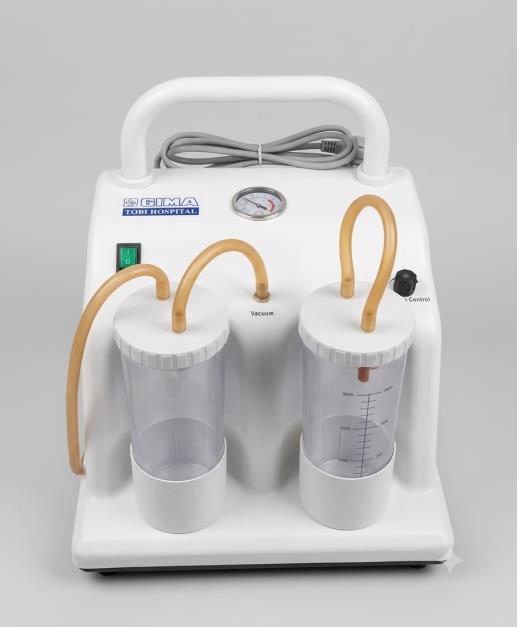
Medical Suction Machine Surgical Aspirator (Aspiration Pump)
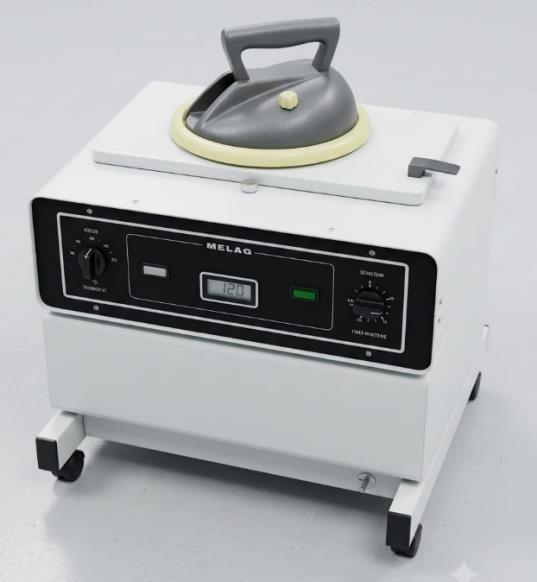
Dry Heat Sterilizer / Hot Air Oven
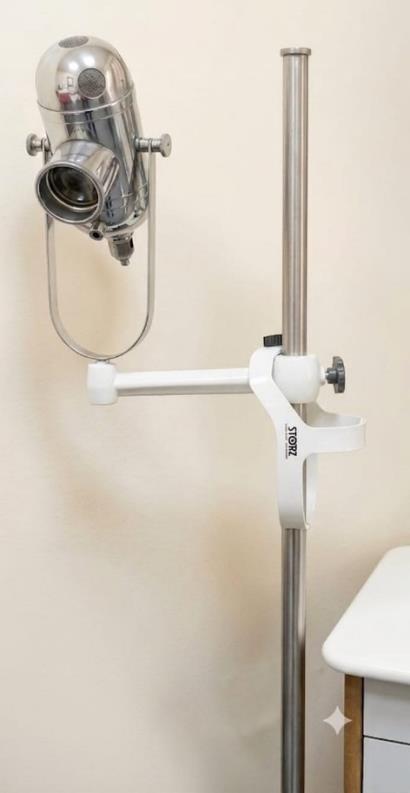
Surgical Spotlight Focusable Diagnostic Lamp
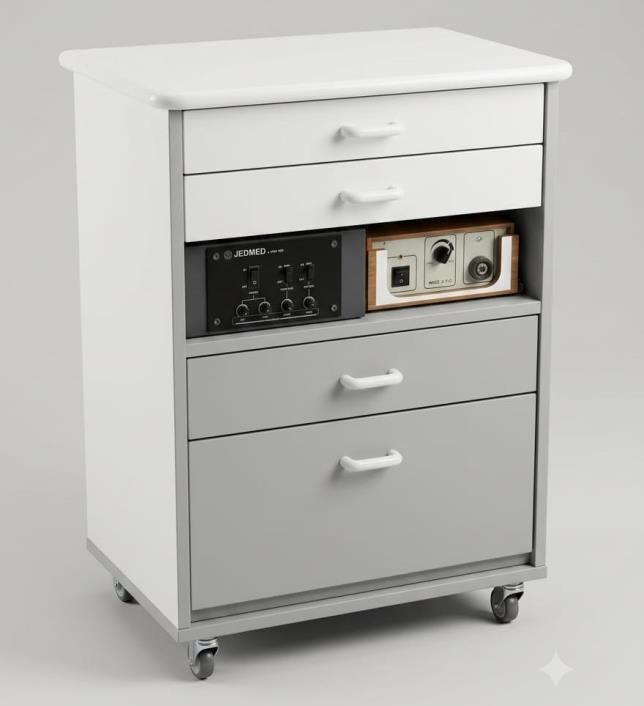
ENT Examination Unit
Services for researchers
The Ear, Nose & Throat (ENT) Department provides comprehensive support for clinical and
translational research in otolaryngology, head and neck diseases, and audiovestibular sciences.
It offers access to diverse patient populations, advanced diagnostic tools, and experienced
clinical teams to facilitate high-quality research.
• Access to clinical data and case series in ENT, head and neck disorders.
• Support for designing and conducting prospective and retrospective clinical studies.
• Assistance in patient recruitment for research projects and clinical trials.
• Audiological and vestibular testing data for research purposes.
• Endoscopic imaging and documentation for clinical research studies.
• Collaboration with multidisciplinary teams across related medical specialties.
• Biostatistical analysis and data interpretation support for research projects.
• Opportunities for publication in peer-reviewed journals and presentation at scientific conferences.
• Training in research methodology, clinical documentation, and evidence-based ENT practice.
• Quality assurance and audit support for clinical outcomes and departmental performance.
• Access to clinical data and case series in ENT, head and neck disorders.
• Support for designing and conducting prospective and retrospective clinical studies.
• Assistance in patient recruitment for research projects and clinical trials.
• Audiological and vestibular testing data for research purposes.
• Endoscopic imaging and documentation for clinical research studies.
• Collaboration with multidisciplinary teams across related medical specialties.
• Biostatistical analysis and data interpretation support for research projects.
• Opportunities for publication in peer-reviewed journals and presentation at scientific conferences.
• Training in research methodology, clinical documentation, and evidence-based ENT practice.
• Quality assurance and audit support for clinical outcomes and departmental performance.
Services for patients
The Ear, Nose & Throat (ENT) Department provides comprehensive diagnostic, medical, and
surgical services for patients with disorders affecting the ear, nose, throat, head, and neck. Care
is delivered using modern techniques to ensure accurate diagnosis, effective treatment, and
improved quality of life.
• Comprehensive evaluation and management of ear, nose, and throat diseases.
• Hearing assessment and management of hearing loss, including audiological testing.
• Treatment of ear infections, tinnitus, and balance (vestibular) disorders.
• Management of nasal and sinus conditions such as allergic rhinitis and chronic sinusitis.
• Endoscopic evaluation and treatment of nasal and laryngeal disorders.
• Voice and swallowing disorder assessment and management.
• Surgical treatment including tonsillectomy, adenoidectomy, and septoplasty.
• Functional endoscopic sinus surgery (FESS) for chronic sinus diseases.
• Management of head and neck masses and related conditions.
• Emergency ENT care for acute infections, trauma, and airway-related conditions.
• Patient education and counseling on disease prevention and postoperative care.
• Follow-up care to ensure optimal recovery and long-term outcomes.
• Comprehensive evaluation and management of ear, nose, and throat diseases.
• Hearing assessment and management of hearing loss, including audiological testing.
• Treatment of ear infections, tinnitus, and balance (vestibular) disorders.
• Management of nasal and sinus conditions such as allergic rhinitis and chronic sinusitis.
• Endoscopic evaluation and treatment of nasal and laryngeal disorders.
• Voice and swallowing disorder assessment and management.
• Surgical treatment including tonsillectomy, adenoidectomy, and septoplasty.
• Functional endoscopic sinus surgery (FESS) for chronic sinus diseases.
• Management of head and neck masses and related conditions.
• Emergency ENT care for acute infections, trauma, and airway-related conditions.
• Patient education and counseling on disease prevention and postoperative care.
• Follow-up care to ensure optimal recovery and long-term outcomes.
Training
The Ear, Nose & Throat (ENT) Department provides structured training programs aimed at
developing clinical and surgical competencies in otolaryngology for residents, fellows, and
healthcare professionals. The training emphasizes evidence-based practice, hands-on
experience, and the use of modern diagnostic and surgical techniques.
• Fundamentals of ear, nose, and throat anatomy, physiology, and pathology.
• Clinical examination and diagnostic evaluation of ENT disorders.
• Audiology training, including hearing assessment and interpretation of audiometric tests.
• Endoscopic examination of the nasal cavity, sinuses, and larynx.
• Management of common ENT infections and medical conditions.
• Surgical training in procedures such as tonsillectomy, adenoidectomy, and septoplasty.
• Functional endoscopic sinus surgery (FESS) techniques and principles.
• Ear surgery training including microscopic and endoscopic approaches.
• Head and neck surgery principles and patient management.
• Emergency ENT care including airway management and trauma handling.
• Interpretation of imaging studies (CT, MRI) in ENT practice.
• Participation in multidisciplinary case discussions and clinical rounds.
• Research methodology, clinical audit, and scientific writing in otolaryngology.
• Fundamentals of ear, nose, and throat anatomy, physiology, and pathology.
• Clinical examination and diagnostic evaluation of ENT disorders.
• Audiology training, including hearing assessment and interpretation of audiometric tests.
• Endoscopic examination of the nasal cavity, sinuses, and larynx.
• Management of common ENT infections and medical conditions.
• Surgical training in procedures such as tonsillectomy, adenoidectomy, and septoplasty.
• Functional endoscopic sinus surgery (FESS) techniques and principles.
• Ear surgery training including microscopic and endoscopic approaches.
• Head and neck surgery principles and patient management.
• Emergency ENT care including airway management and trauma handling.
• Interpretation of imaging studies (CT, MRI) in ENT practice.
• Participation in multidisciplinary case discussions and clinical rounds.
• Research methodology, clinical audit, and scientific writing in otolaryngology.